Round Table Meeting with Ghanaian Education Delegation
Discussions on Skills Development, Mobility and Innovation
On 21 May 2026, GOVET, iMOVE and the Ghana Forum North Rhine-Westphalia (NRW), hosted a roundtable discussion with a five-person delegation from Ghana’s Parliamentary Education Committee at the Federal Institute for Vocational Education and Training (BIBB) in Bonn.
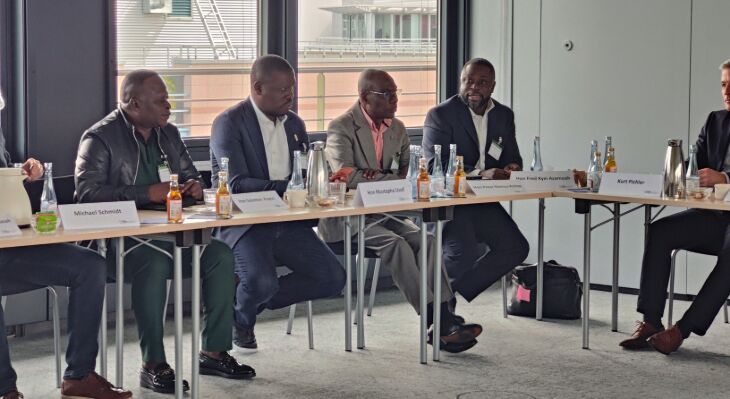
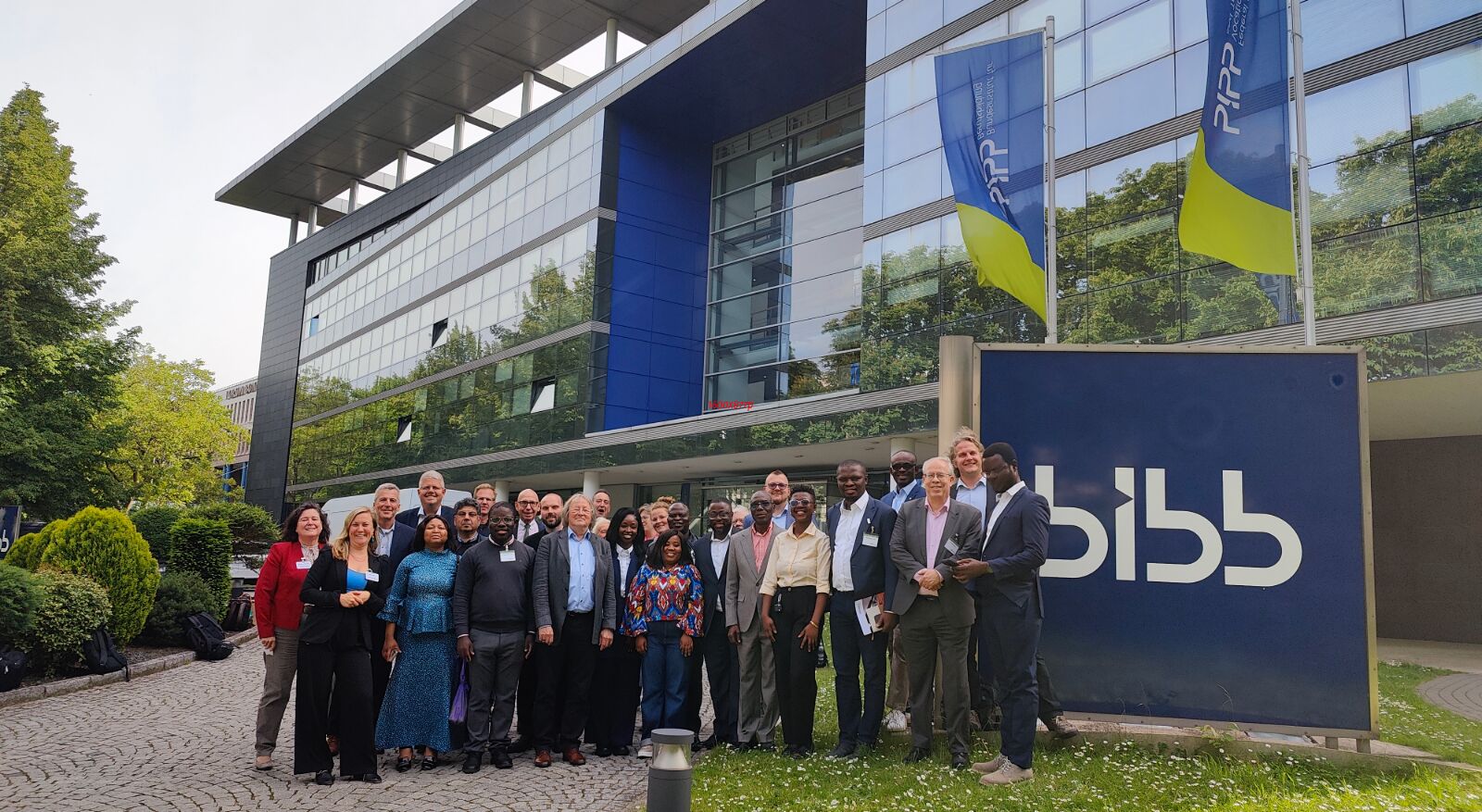
The event focused on international exchange in vocational education and training (TVET), with a particular focus on deepening German-Ghanaian cooperation in this field.
After the formal welcome and introductions, the participants engaged in a ‘Spotlight Dialogue’, discussing current challenges and opportunities in skilled workforce development, as well as prospects for international cooperation. The session was chaired by the Chairman of the Committee, Hon. Peter Nortsu-Kotoe. The delegation also included Hon. Fred Kyei Asamoah, the former Head of the Commission for TVET (CTVET), who contributed his expertise from many years of experience to the discussions. The Committee emphasised the existing challenges and highlighted that vocational education and training must be seen by young people as an attractive educational alternative. At the same time, however, the state must improve the quality of vocational education and training to make it more appealing.
Particular focus was placed on interactive discussion formats in smaller thematic groups, with the aim of encouraging open dialogue and facilitating constructive exchange of ideas. These discussions revealed significant interest in establishing long-term partnerships between Germany and Ghana. Topics such as needs-based training, the international mobility of skilled workers and digital innovations in vocational education were discussed in particular.
The Committee emphasised the existing challenges and highlighted that vocational education and training must be seen by young people as an attractive educational alternative. At the same time, however, the state must improve the quality of vocational education and training to make it more appealing.
Particular focus was placed on interactive discussion formats in smaller thematic groups. The discussions revealed significant interest in long-term partnerships between Germany and Ghana. Topics such as needs-based training, the international mobility of skilled workers, and digital innovations in vocational education and training were identified as key areas for the future.
In the subsequent plenary session, key findings from the thematic groups were summarised. The event also offered numerous opportunities for networking and establishing new contacts between German education providers and representatives from Ghana, facilitating the exchange of ideas and the creation of new partnerships. This resulted in an animated exchange among the 30-plus participants from the education sector, civil society, the state of North Rhine-Westphalia, and parliamentarians. Through this roundtable event, GOVET further promoted international dialogue and sustainable cooperation in vocational education and training.