Structuring international VET together: Insights, perspectives and discussions
The specialist conference brought together key stakeholders of international VET cooperation at BIBB. The focus was on how international cooperation can contribute to managing current challenges and make VET fit for the future.
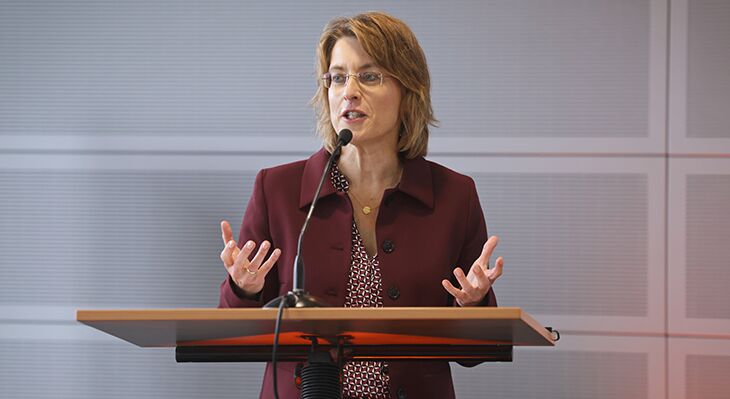
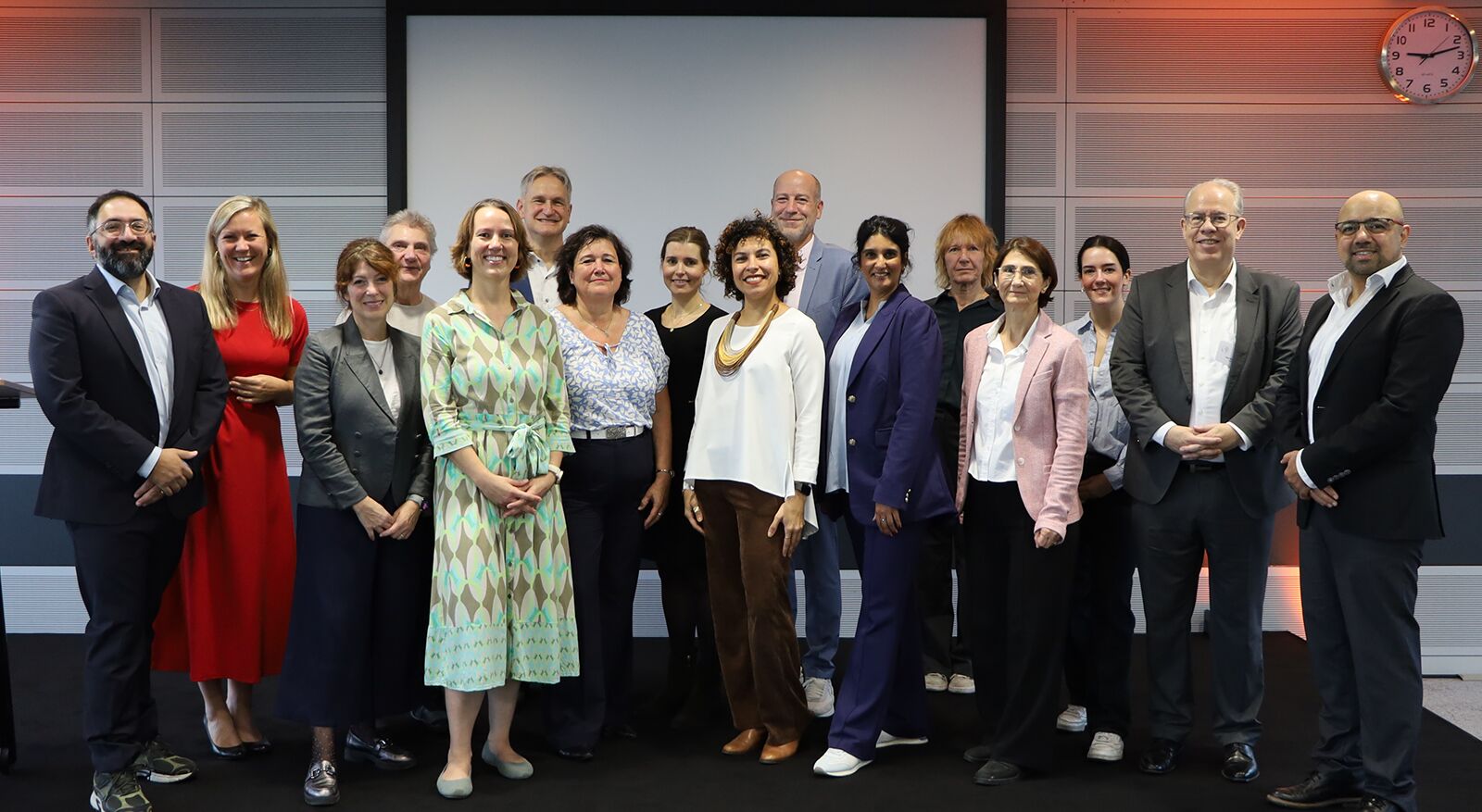
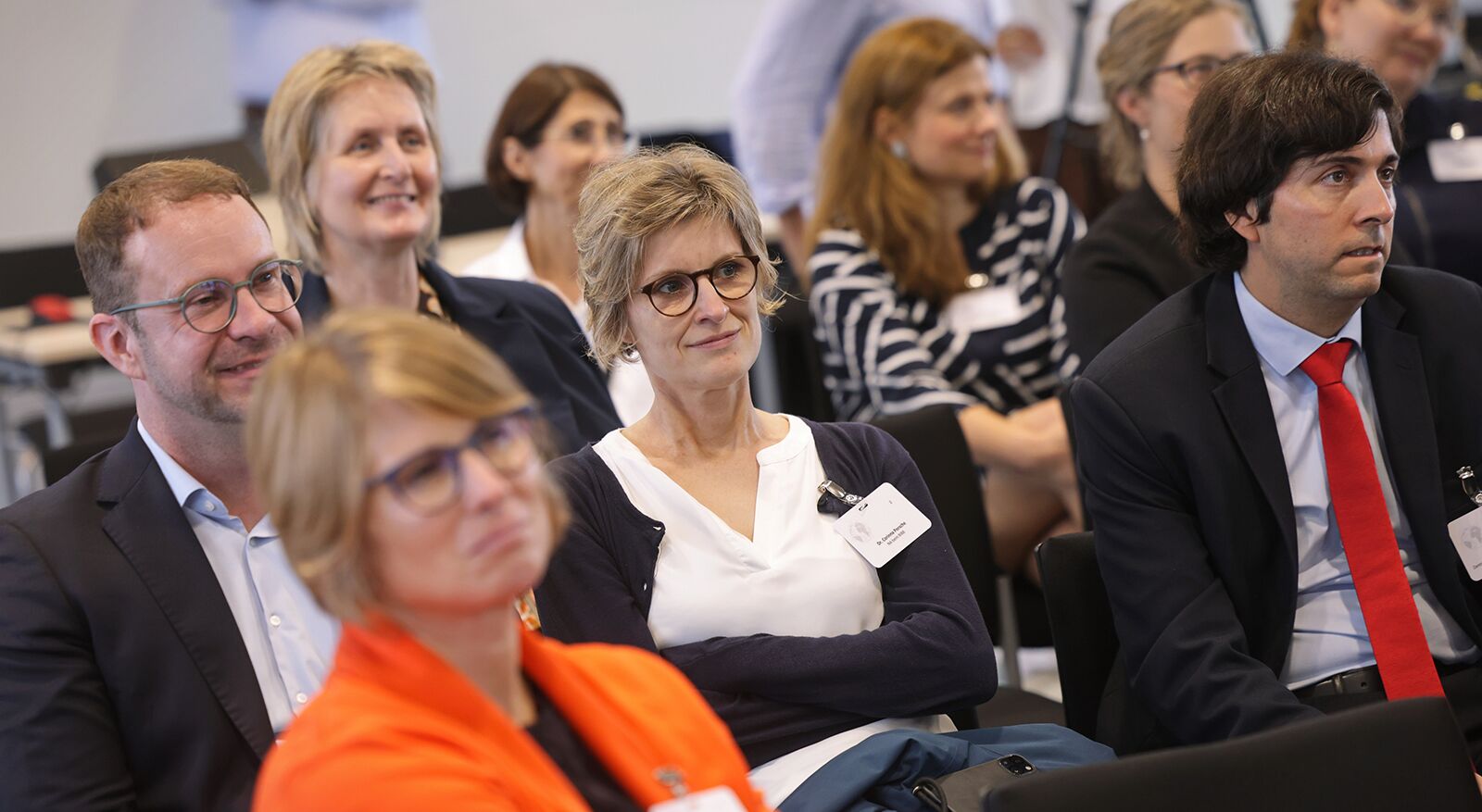
On October 1, 2026, around 120 representatives from federal ministries, federal states, social partners, chamber organisations, implementing organisations, and other stakeholders in international VET cooperation met at the specialist conference “Structuring international VET together” at the Federal Institute for Vocational Education and Training in Bonn. How Germany and its partners can respond to current changes in vocational education and training, the world of work, and international relations, learn from one another, and continue to develop international vocational education and training (iBBZ) together were at the heart of the discussions.
The conference addressed key transformative, future topics characterising VET in Germany and its partner countries: Digitalisation and artificial intelligence, climate change and the energy transition, sustainability, and the growing shortage of skilled workers. It was discussed how these developments in international VET cooperation could be tackled, which experiences and approaches could be made mutually beneficial, and how VET cooperation and labour immigration can be more strongly linked to one another in future. Organised by GOVET on behalf of the German federal government, the specialist conference is embedded in the work of the Round Table for International Vocational Education and Training Cooperation. The federal government is currently working on updating the strategy for international VET cooperation.
Department- and stakeholder-level members of the Round Table met directly before the specialist conference. On the agenda for the departments was, for example, the current adaptation process of the federal government’s strategy, measures for acquiring skilled workers, information from the federal states, and planned measures. The Round Table of Stakeholders dedicated itself to the German-Italian cooperation project “ConnActions” as well as the iMove 2026 trend barometer on current developments in international VET cooperation.
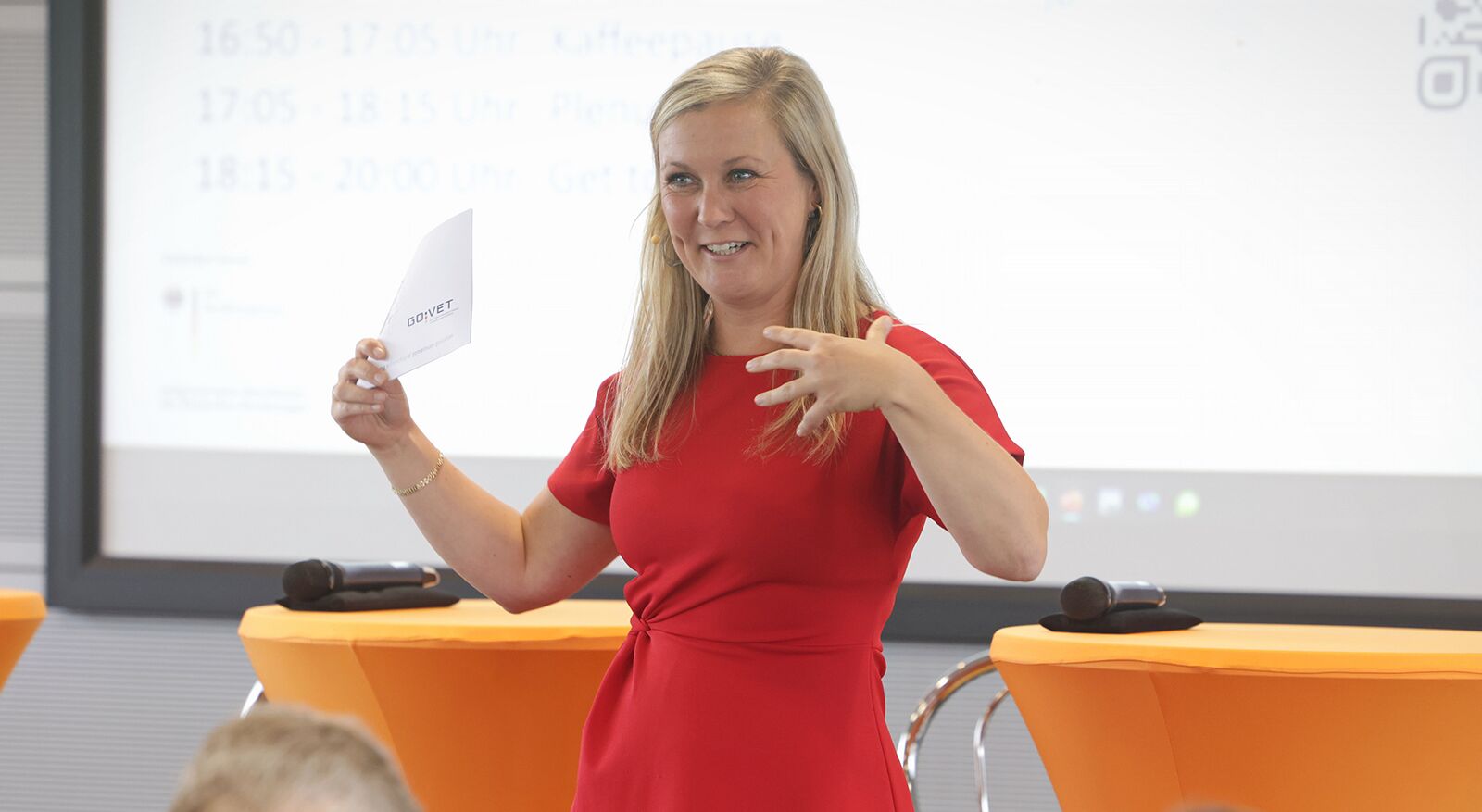
The specialist conference was intended as both a chance to take stock and an orientation for joint international vocational education and training cooperation (iBBZ) for the next years. It also served as a networking opportunity for iBBZ organisations. GOVET conceptualised and designed the event. Julia Olesen, project manager at GOVET, guided the audience through the programme.
VET as a joint structural task
The specialist conference was opened by BIBB President Dr. Sandra Garbade and Stefan Schneider, Head of the Erasmus, International Cooperation in Vocational Education Division at the Federal Ministry for Education, Family Affairs, Senior Citizens, Women and Youth (BMBFSFJ).
At the beginning of her speech, Dr. Sandra Garbade communicated that as the new president she considered international cooperation an essential part of BIBB’s work. With this understanding, she focused on the importance of mutual learning and international exchange for the further development of vocational education and training in Germany. Many of the current challenges such as demographic change and the increasing demand for skilled workers as a result, digitalisation and artificial intelligence, and ecological transformation are not just relevant in Germany. “International cooperation and collaboration help further develop the VET system. We need to find solutions together,” Dr. Sandra Garbade emphasised. “International cooperation is not a one-way street. We contribute our experiences and look at the countries and their particular challenges. And what becomes very clear is that we are dealing with similar questions and, when this dialogue is successful, that is the core of good international cooperation,” she said.
She also addressed the topic of economic migration and highlighted that VET needs to remain attractive, versatile, compatible and applicable to various education histories, “regardless of whether you went to school in Germany and have initial job experience or whether you trained abroad.”
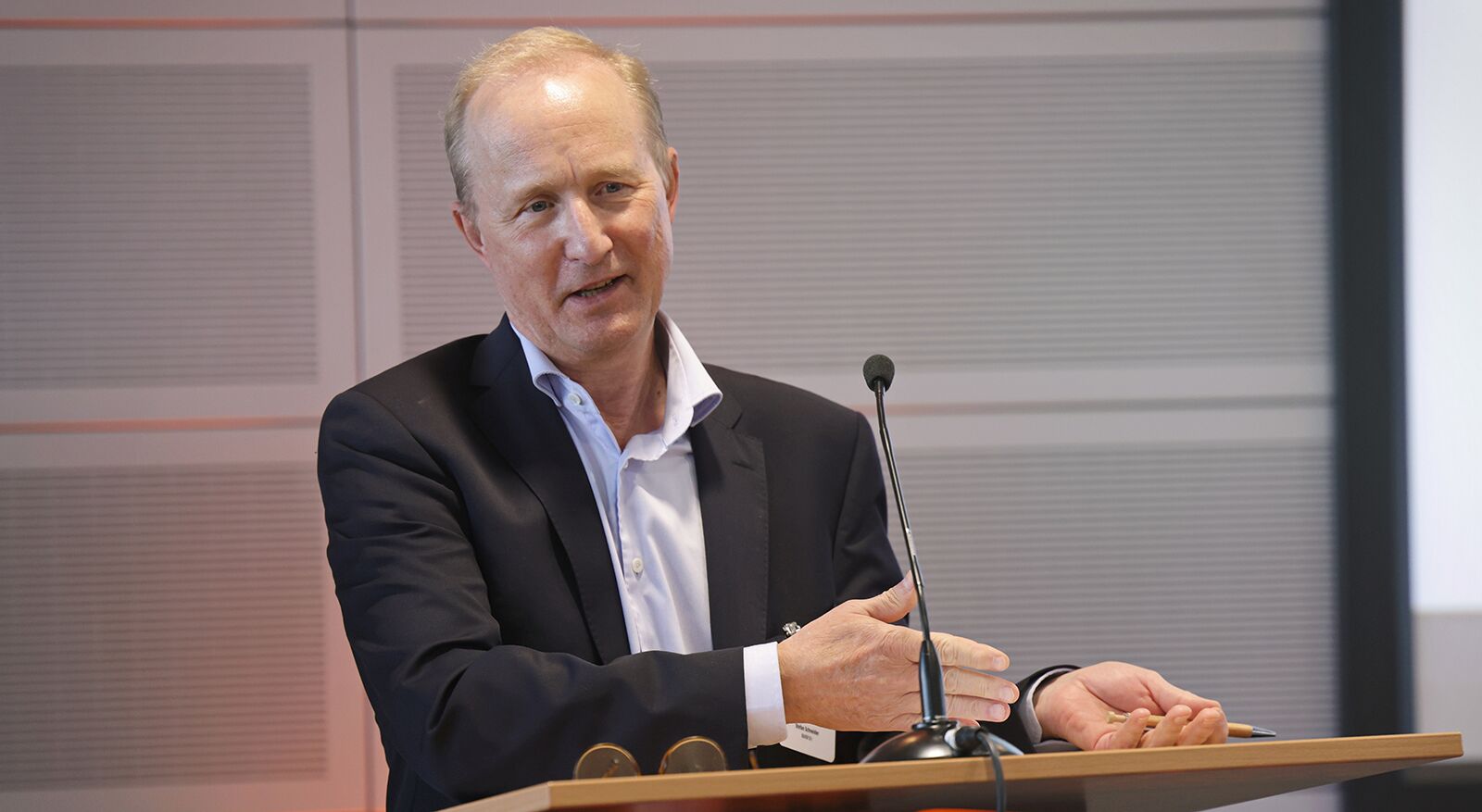
Stefan Schneider, Head of the International VET Cooperation Division, contextualised the specialist conference from the BMBFSFJ’s perspective regarding current developments in international VET cooperation (iBBZ). He mentioned the ongoing further development of the federal government’s strategy on international vocational education and training cooperation. He reported that the involved federal ministries were currently checking and discussing an update of the strategy regarding the topic of skilled worker immigration.
Schneider noted that his division has been looking at the question “how can we conceptually combine iBBZ, skilled workers and skilled labour recruitment in a more integrated and connected way without endangering the brand identity of the established iBBZ?” for many years.
He likewise emphasised the significance of learning from one another in VET cooperation. He believes it is important to allow more experiences from international projects to flow back into German policy and practice, and to better conceptually combine international VET cooperation and VET in Germany. He also referred to the iBBZ “community”, which has grown over the years. Established networks and the culture of exchange in international VET cooperation, he said, offer a good starting point for this mutual learning. The ministry has a funding guideline called InternationalVET for identifying good VET practice abroad. He also announced that the topic of China-specific knowledge and skills would be soon addressed in VET.
The opening contributions sent a clear message: International VET cooperation thrives on dialogue and from combining the experiences of various countries, institutions, and stakeholders. The specialist conference provided a joint platform for this.
Different perspectives, collective challenges
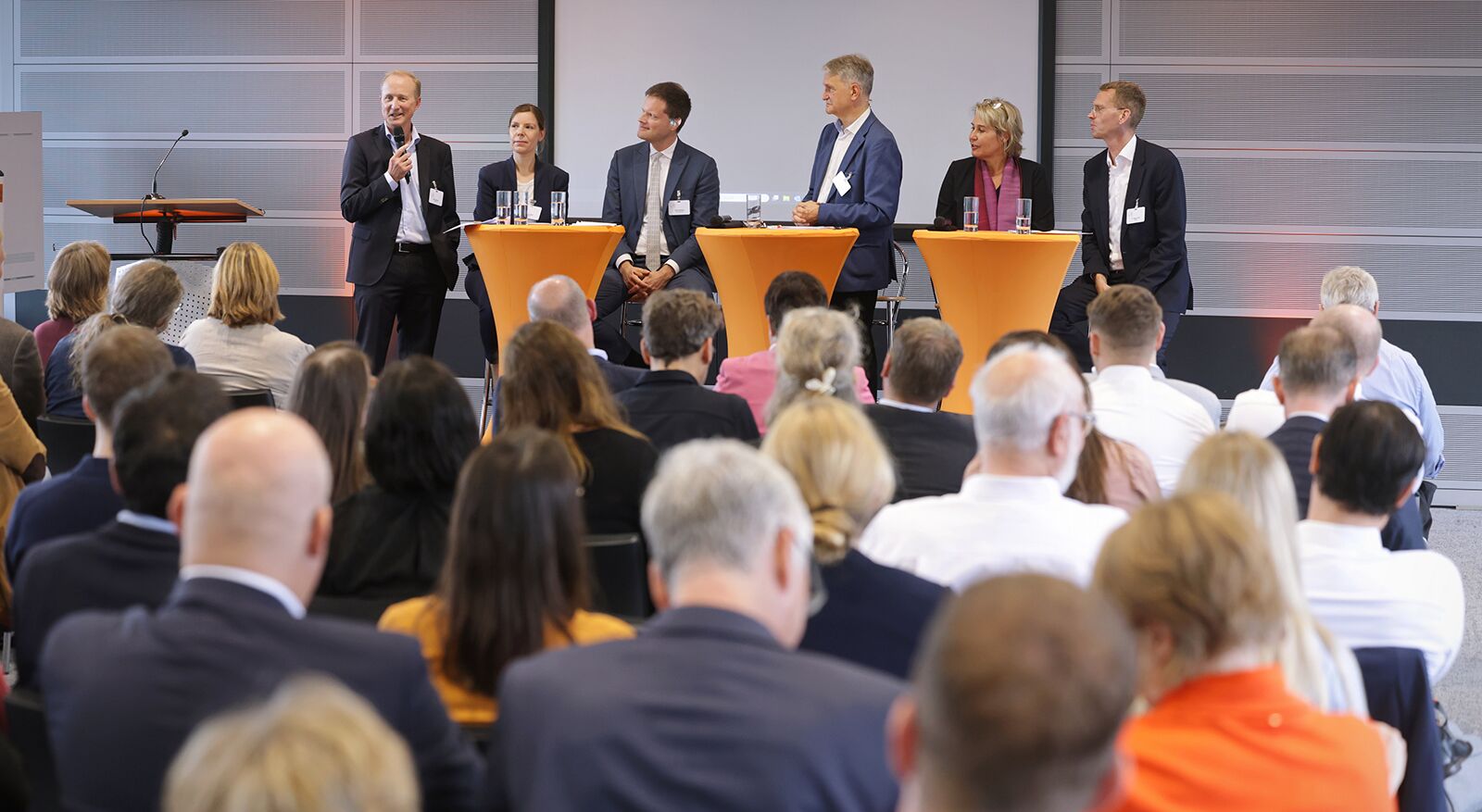
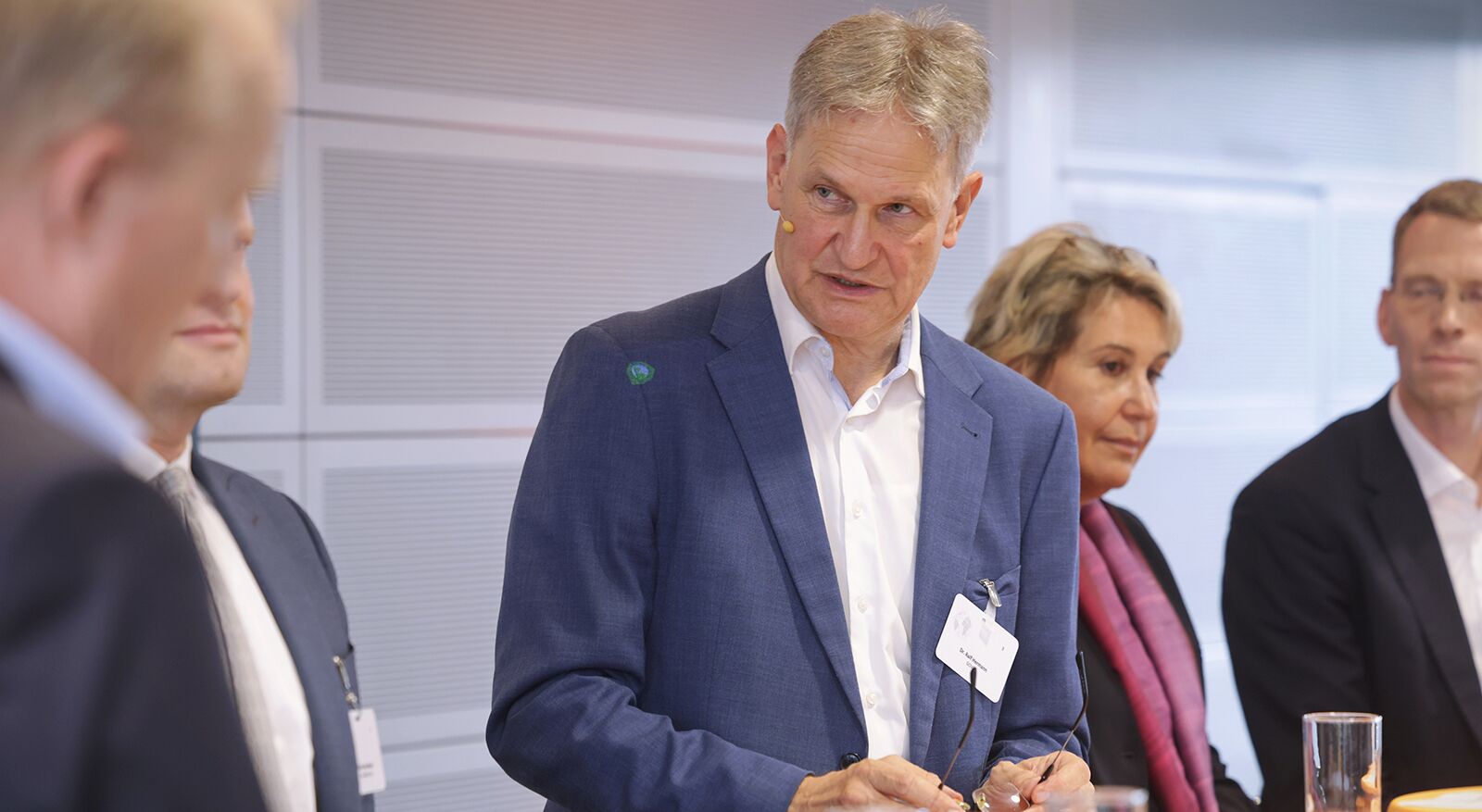
Cooperation with German VET stakeholders is still in demand all over the world. Yet the requirements it is designed for have noticeably changed. Economic challenges, the transformation of the world of work, and changing foreign policy power factors also demand critical stock-taking from VET cooperation, too. The regional and thematic priorities the federal departments want to set was the subject of a panel discussion with representatives from five federal ministries. The discussion was moderated by Dr. Ralf Hermann, Head of GOVET.
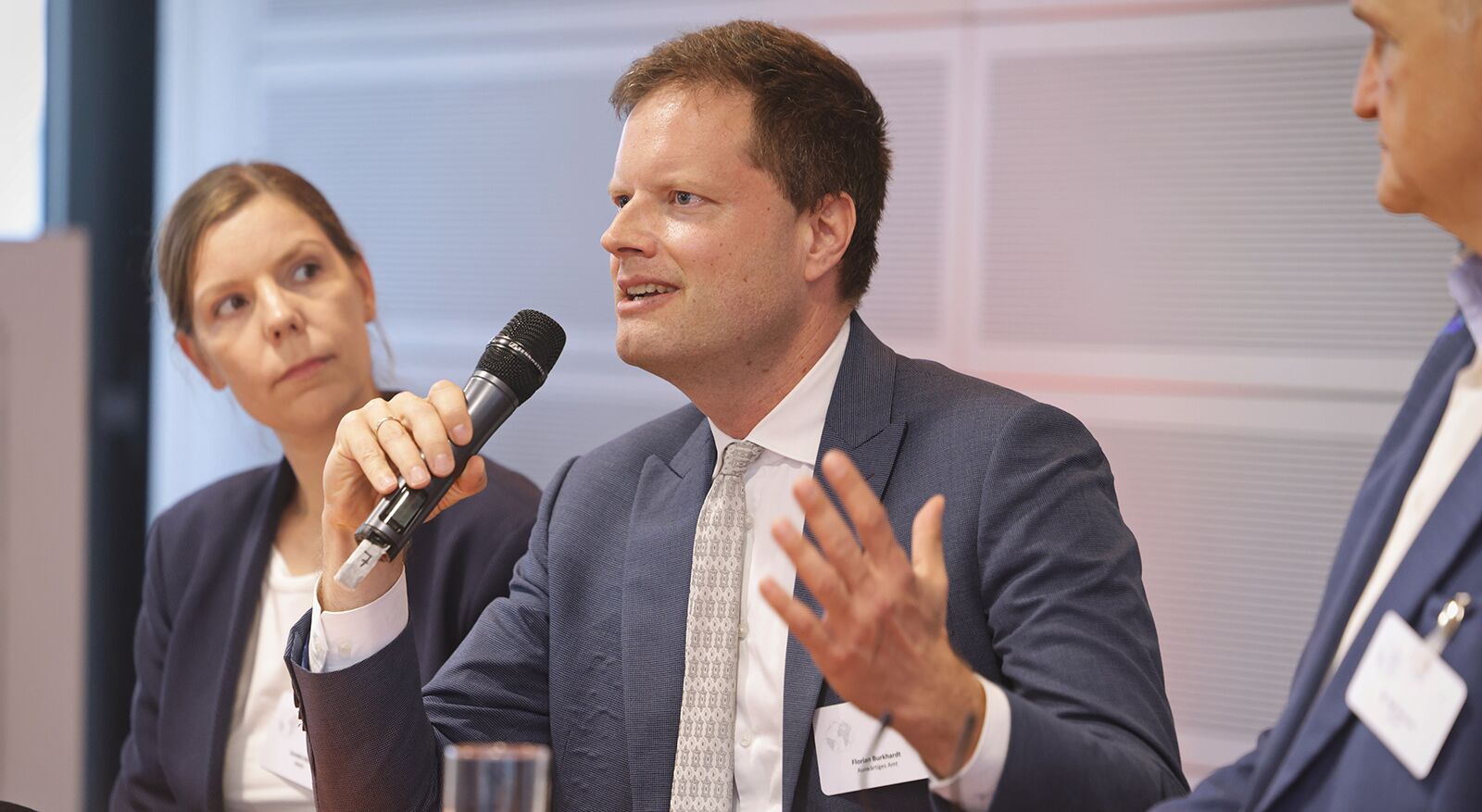
Florian Burkhardt, Head of the Foreign Trade and Investment Promotion Division at the Federal Foreign Office (AA), spoke about VET in the context of foreign relations. In many German foreign diplomatic missions, it was still, he said, very clear what a good reputation Germany’s VET has. Partners sought discussion time after time and requested German expertise. And they know that Germany is a trustworthy partner that is reliable and committed for the long term. Overall, VET remains, even under changed framework conditions, an important area of diplomacy with which partners are gained and discussion and understanding is facilitated.
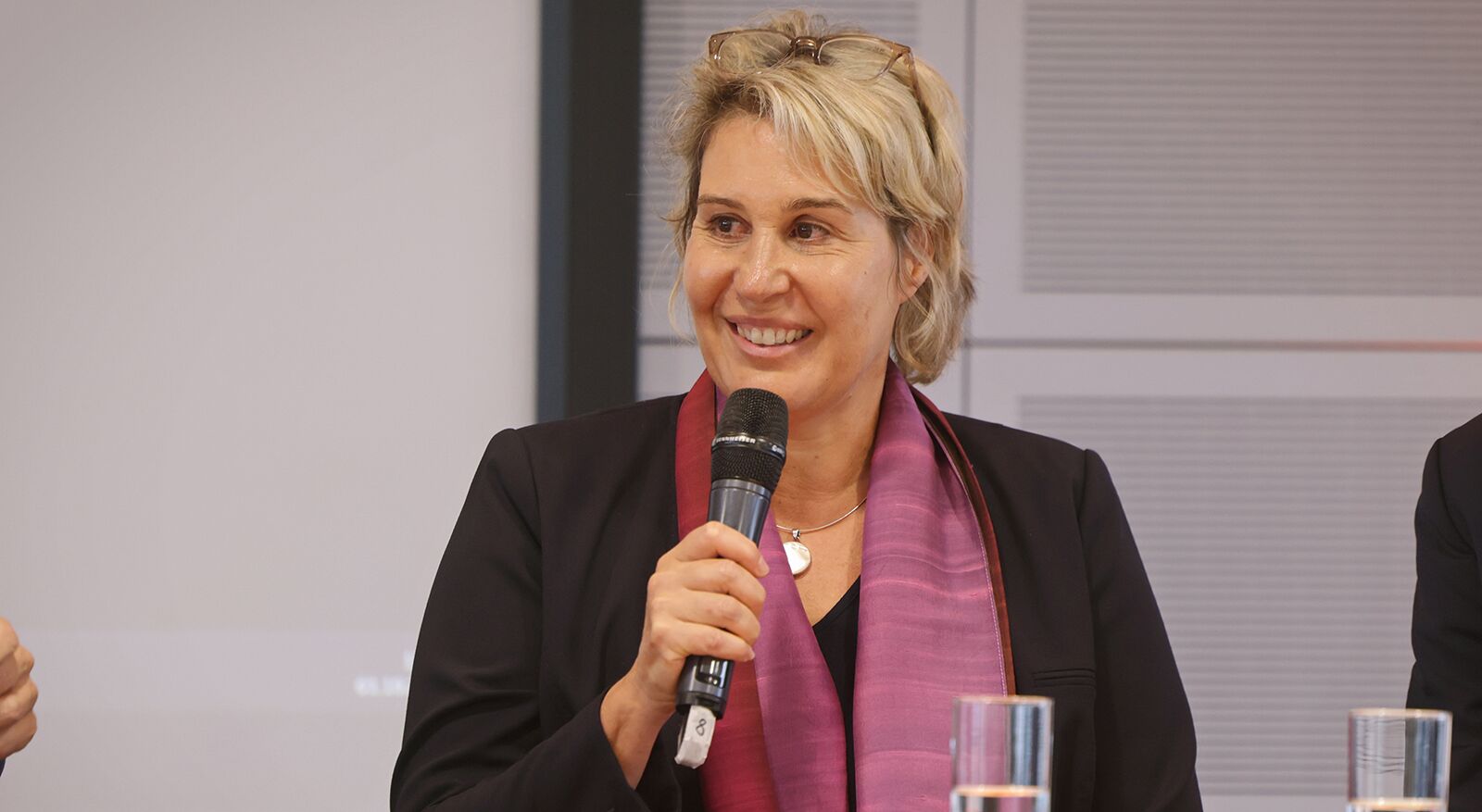
For development cooperation, vocational education and training is a focus point in two thirds of the partner countries, and this engagement is still highly valued everywhere, reported Dr. Veronika Ulbert, Head of the Division for Jobs, Vocational Training, Skilled Labour Recruitment Division at the Federal Ministry for Economic Cooperation and Development (BMZ). Her division has established itself along new programmatic lines. As part of the directorate for economic communication, the division is shifting more towards the business world, the job market and employment policies, with VET cooperation being even more integrated in these contexts. The BMZ is increasingly considering the benefits that development cooperation can yield for Germany too. The aim of training young people abroad should be facilitating connections both to the job market in the partner country and in Germany. She says that close cooperation with the companies in foreign trade is crucial for this. The “skilled worker alliance” between the federal government and businesses makes it possible to give the initiatives a strategic direction. BMZ’s work is more and more focused on contributing to skilled labour recruitment.
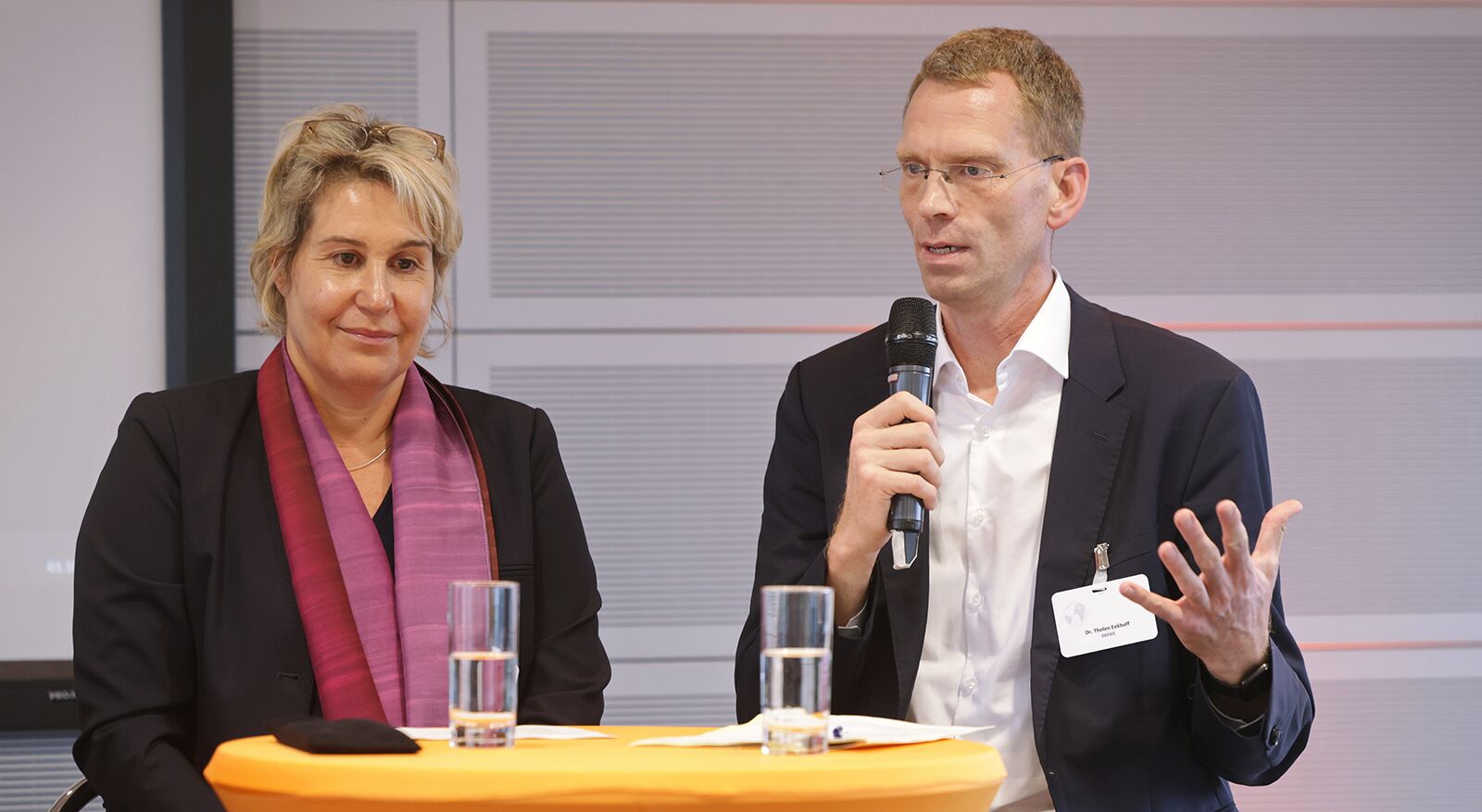
Dr. Tholen Eekhoff, Head of the Promotion of Foreign Trade and Investment Division at the Federal Ministry for Economic Affairs and Energy (BMWE), explained that export businesses must remain competitive, even under more difficult geopolitical and geoeconomic conditions. This also means that they train and further train well-qualified skilled workers at their sites. He highlighted the Skills Experts, which the BME has sent to dozens of German Chambers of Commerce Abroad since 2019, as a success story. They have, he said, strengthened training structures at the companies and in their local networks, and, in particular, facilitated successful initial and continuing VET at smaller and medium-sized companies. Implemented jointly with the German Chamber of Commerce and Industry, the programme will run until 2027. Self-sufficient structures have emerged at many locations with the potential of having a lasting impact. He says the programme is therefore an excellent example for how state incentives can lead to good practice in the long term.
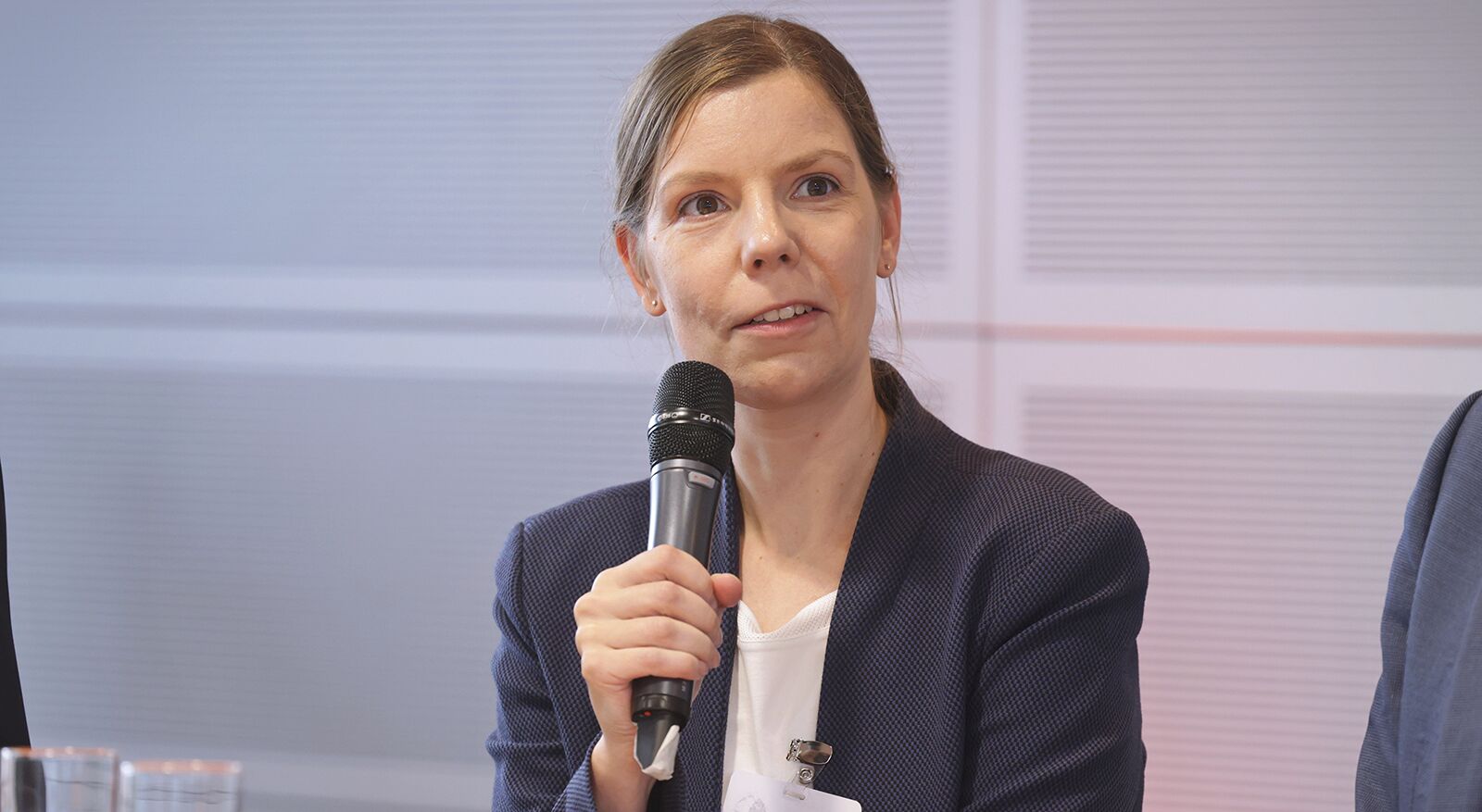
Carolin König represented the International Employment and Social Policy Division at the Federal Ministry of Labour and Social Affairs (BMAS) in the discussion. She explained that her department’s connection to international VET was primarily in continuing vocational education and training, and highlighted that this depends on a good coordination of instruments between division sections with different responsibilities. The National Continuing Education Strategy, Skilled Worker Strategy, and the Strategy on International VET Cooperation were compared, with the Round Table for iBBZ being very useful for this purpose. BMAS has core responsibilities for the topic of skilled labour recruitment. Training measures both abroad and in Germany as well as cooperation between all participants in legal migration are essential, she said.
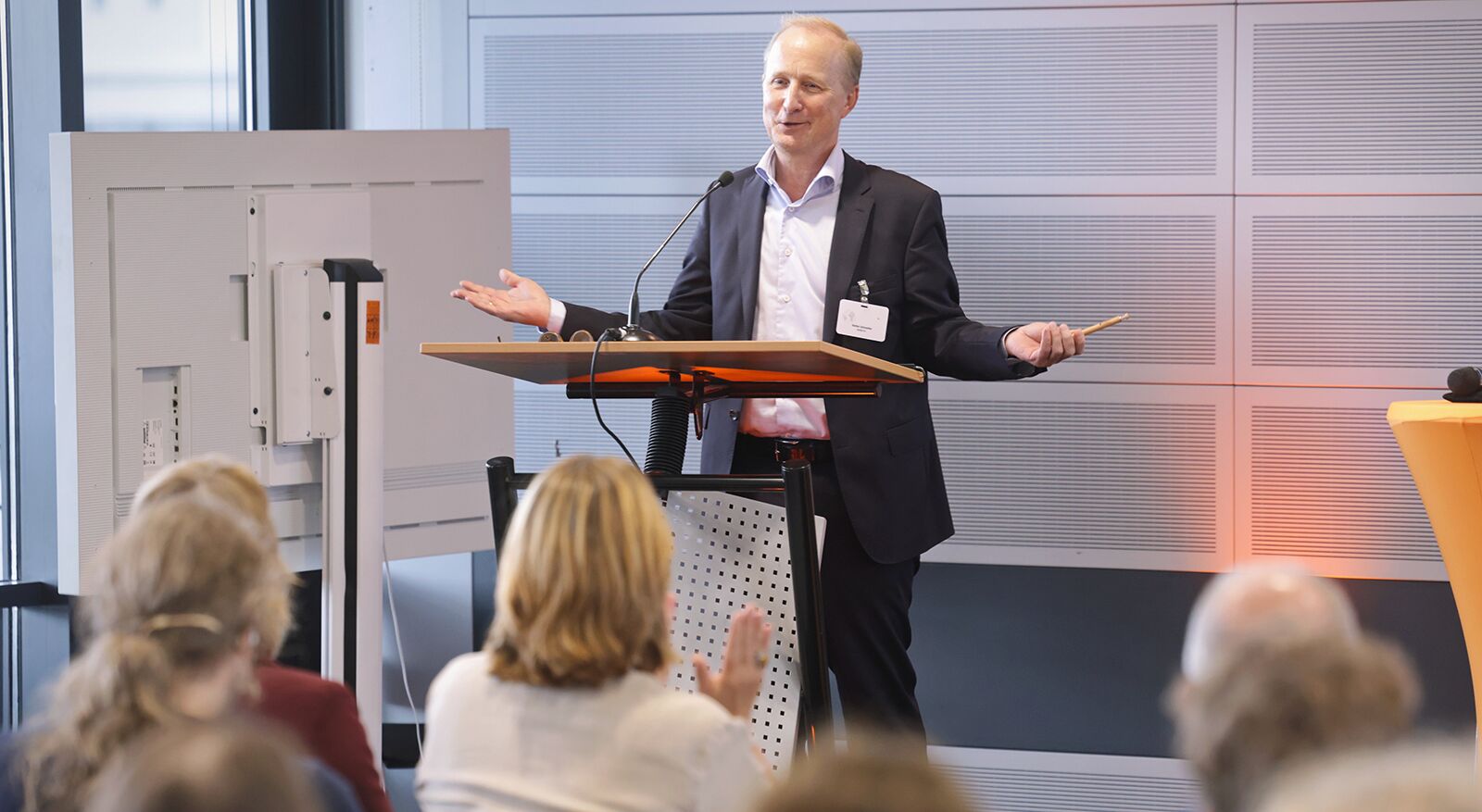
In the view of the Ministry for Education, the responsible authority, Stefan Schneider referred to the opportunities that the division’s new tasks offer. In the context of youth and family, successful VET pathways are essential for opening up life opportunities for young people and, at the same time, for maintaining the German economy’s supply of skilled workers. This similarly applies to companies in foreign trade. Schneider also reported that the successful VET cooperation at the Federal Ministry for Education, Family Affairs, Senior Citizens, Women and Youth (BMBFSFJ) is valued as a good example for how the ministry’s entire task portfolio can be internationalised. He also explained that his ministry contributed to skilled labour recruitment with multiple tools. As a point of contact for German and international partners and as the secretariat for the Round Table, and also for questions regarding skilled labour recruitment, his ministry strengthens the recognition of foreign professional qualifications, supports provision from German training providers for training foreign skilled workers via the “iMOVE – Training Made in Germany” initiative, and refers to GOVET’s long years of expertise in consultation in international VET cooperation (iBBZ). Further, Schneider reiterated that international VET cooperation is responsive.
What became a key takeaway from the event was first emphasised by Stefan Schneider during the panel discussion: In addition to consultation competence, we must also specifically develop our ability to bring back home insights and inspiration regarding international cooperation from abroad. Structures and attitudes must be aligned with actively absorbing and assessing valuable observations abroad. This is the aim of the BMBFSFJ’s most recent funding guideline on VET cooperation “InternationalVet”. The group demonstrated that VET is and remains a key issue for international relations. For thirteen years, iBBz have been exemplary in showing how closely and effectively ministries and implementation stakeholders can work together. The experiences should be used and further developed so as to integrate new topics and to shape effective VET diplomacy, even within a changed international structure.
VET research in essence
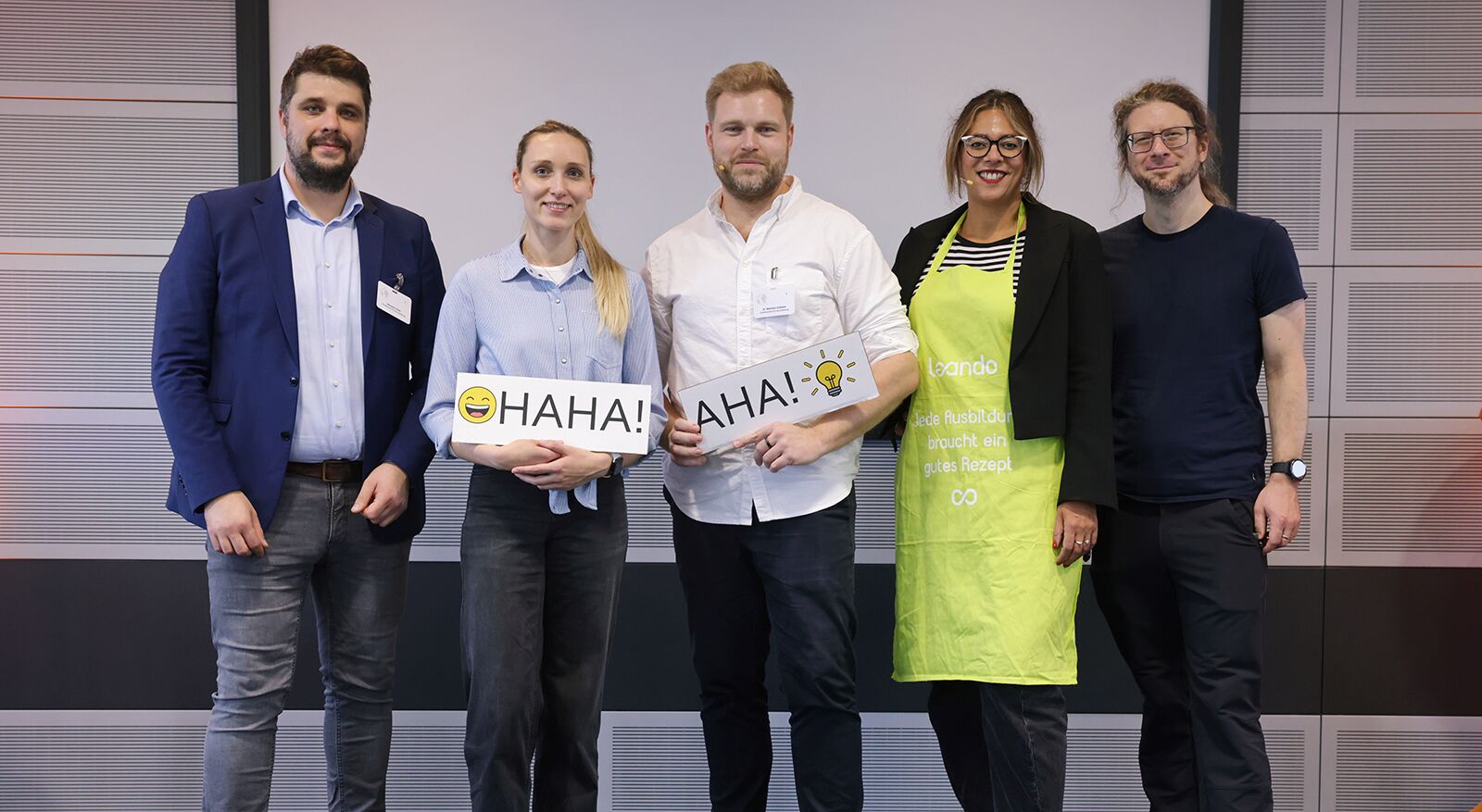
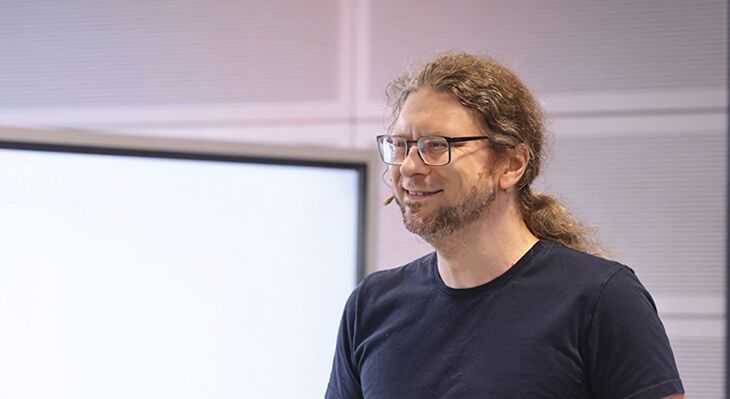
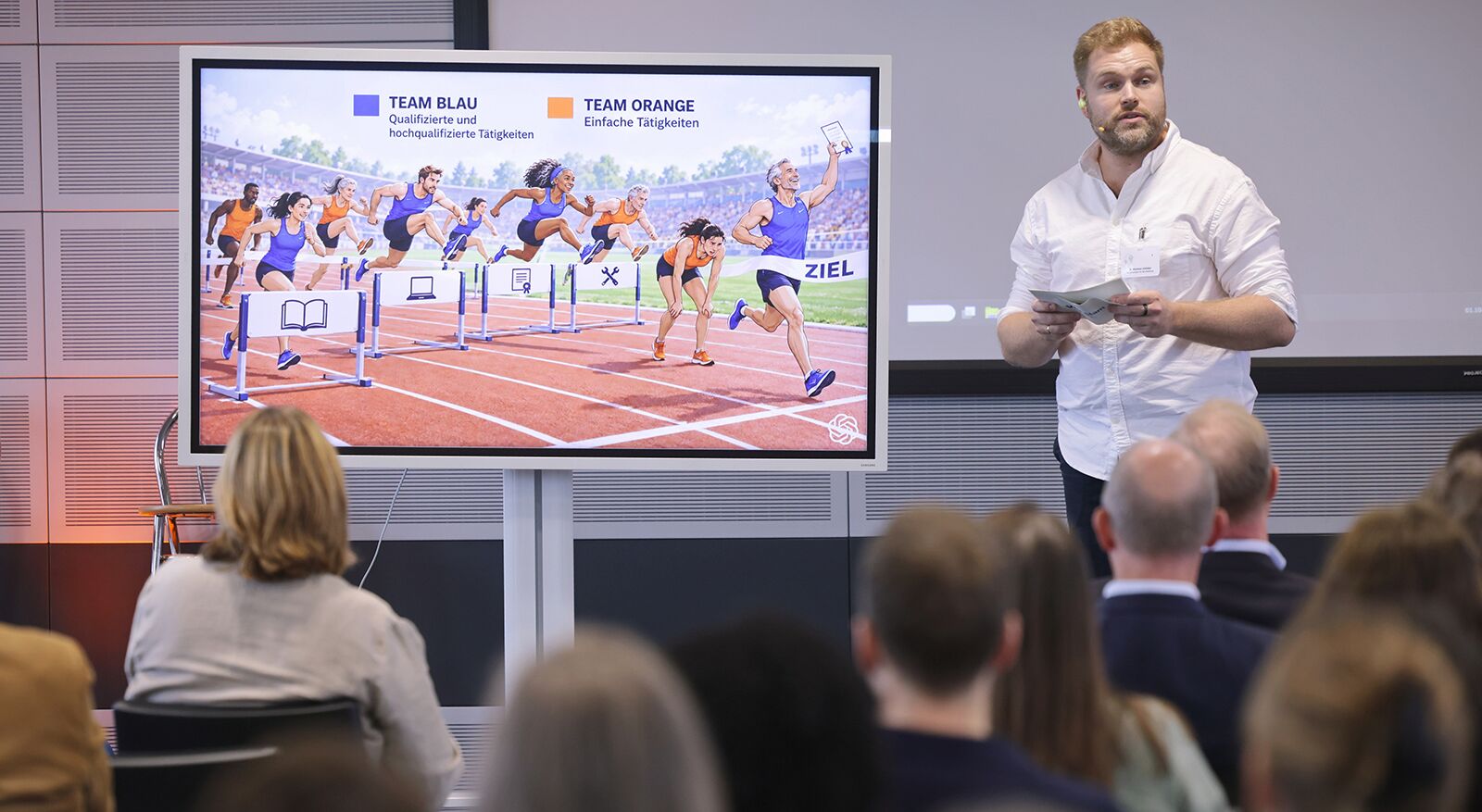
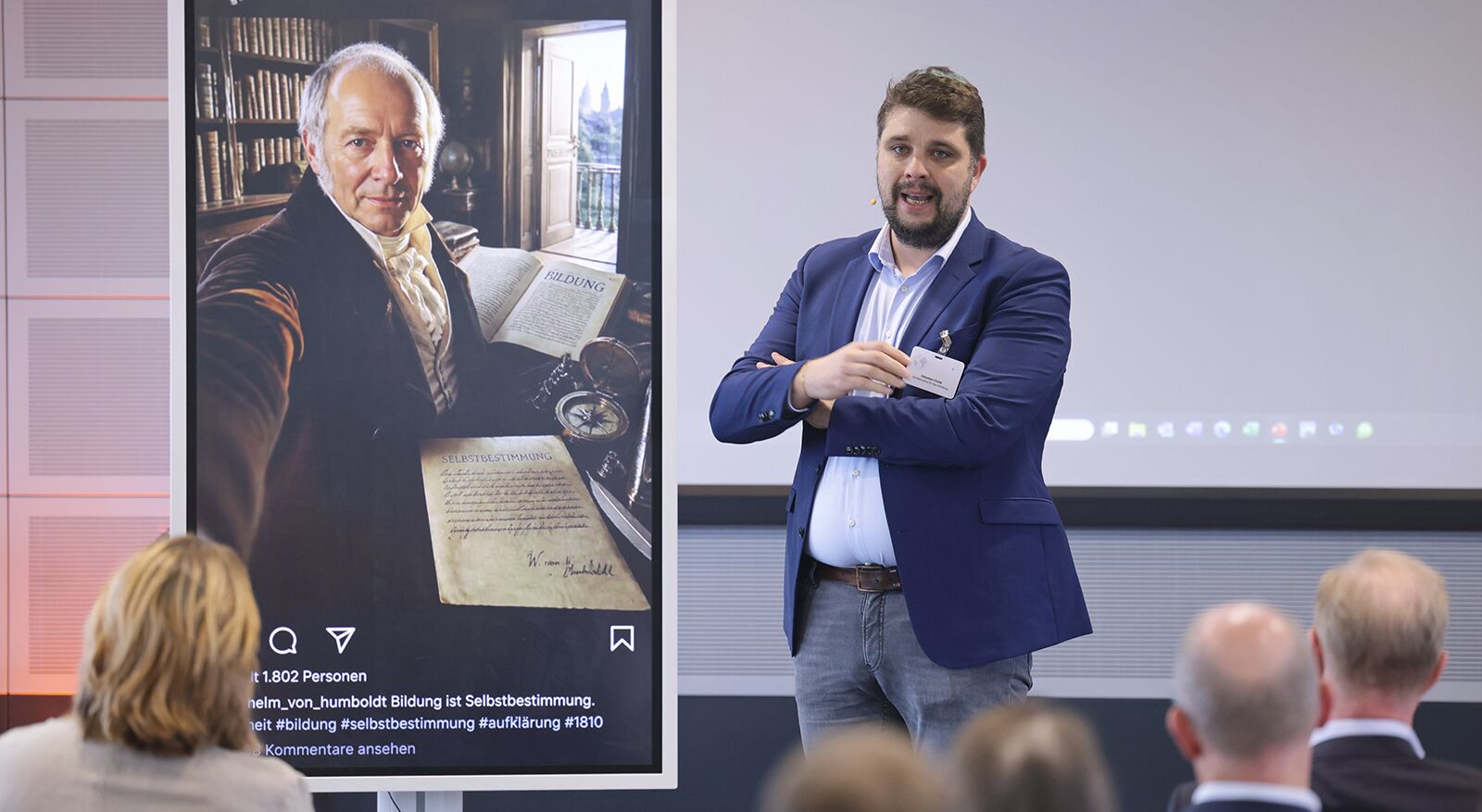
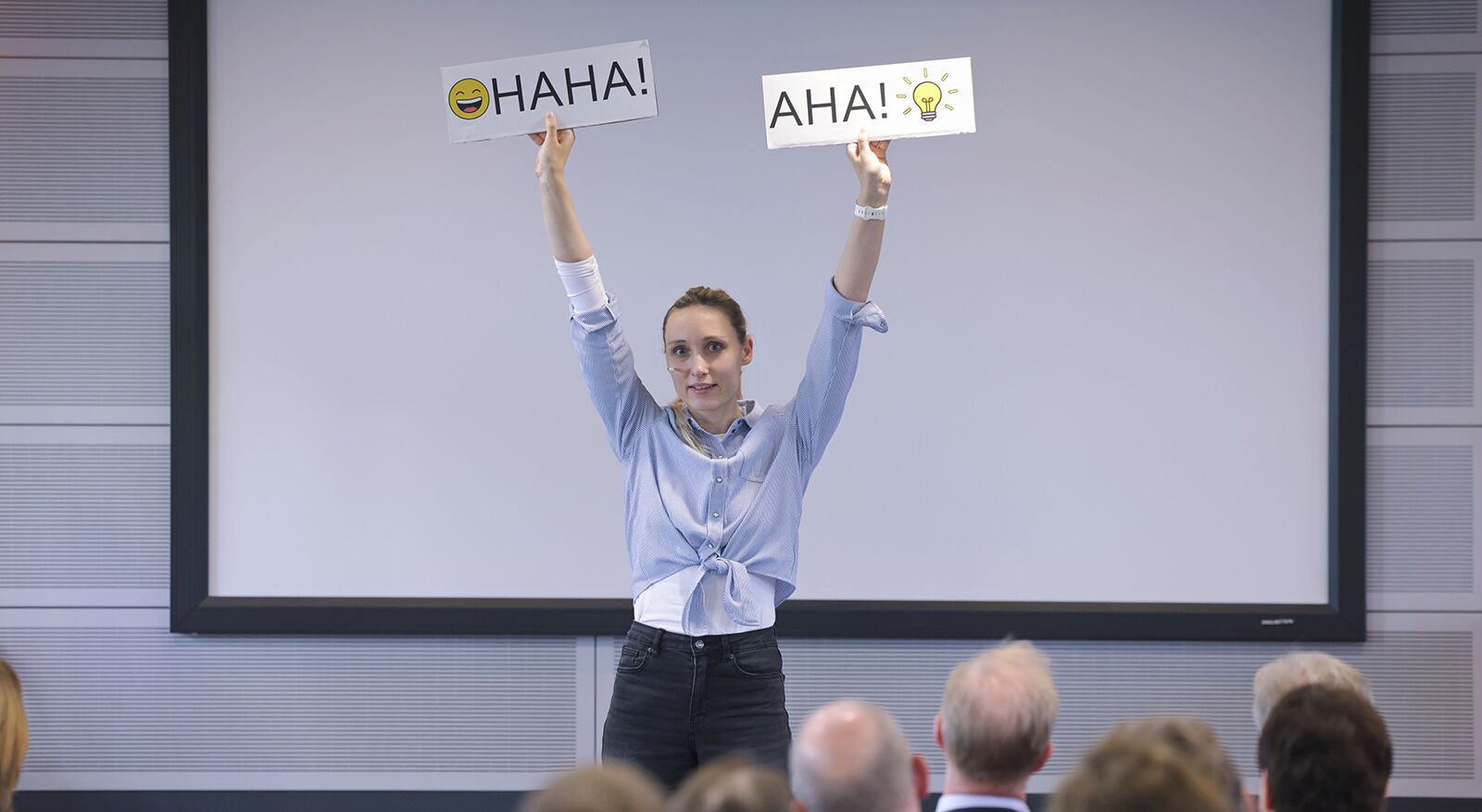
At the VET Slam, “From BIBB’s VET Research”, the perspective changed: five researchers presented the topics of their work in short and concise presentations. The subjects ranged from artificial intelligence and continuing training to digital learning provisions, questions regarding autonomy, and humour in training.
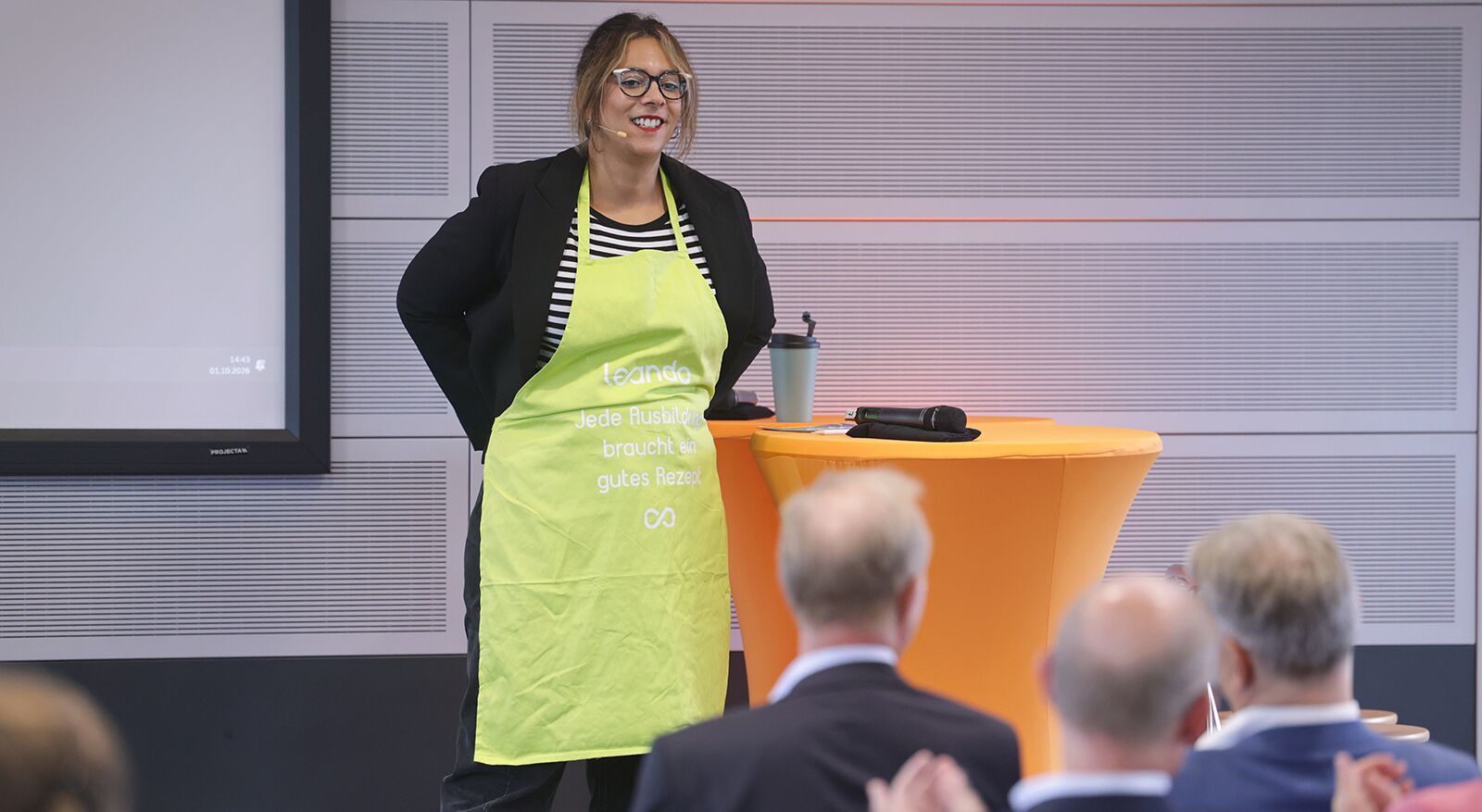
Dr. Oliver Nahm presented “The ghosts I prompted”, Dr. Mortimer Schlieker “Continuing VET is a company matter. But for whom?”, Isabelle Schlender “Training with Leando and Lea”, Sebastian Ciolek “Autonomy and VET”, and Julia Raecke “Humour in training”.
Conveying complex research understandably in a pithy and entertaining way – that is the idea behind the VET Slam. The five BIBB employees mastered this challenge and provided great entertainment alongside their expert knowledge. The audience thus gained a variety of inspiration and ideas for their own work: from the advantages and limits of using AI in the workplace and training, to the question of how successful continuing VET is organised, and pedagogical questions concerning training in Germany and further afield.
Alongside the topical range of VET research at BIBB, the VET Slam also showed the kinds of input that research can deliver for the practical and political structuring of iBBZ.
International cooperation in practice
What diverse international VET cooperation can look like specifically was shown by the Warp Conference, where stakeholders presented their projects and experiences. The name “Warp” derives from the fast spaceship drive of a well-known science fiction series, with which unknown worlds can be explored. The plenary session divided into groups and went from one room to another to learn, in a concise form, from each researcher. Six examples from practice were presented to the audience in this way.
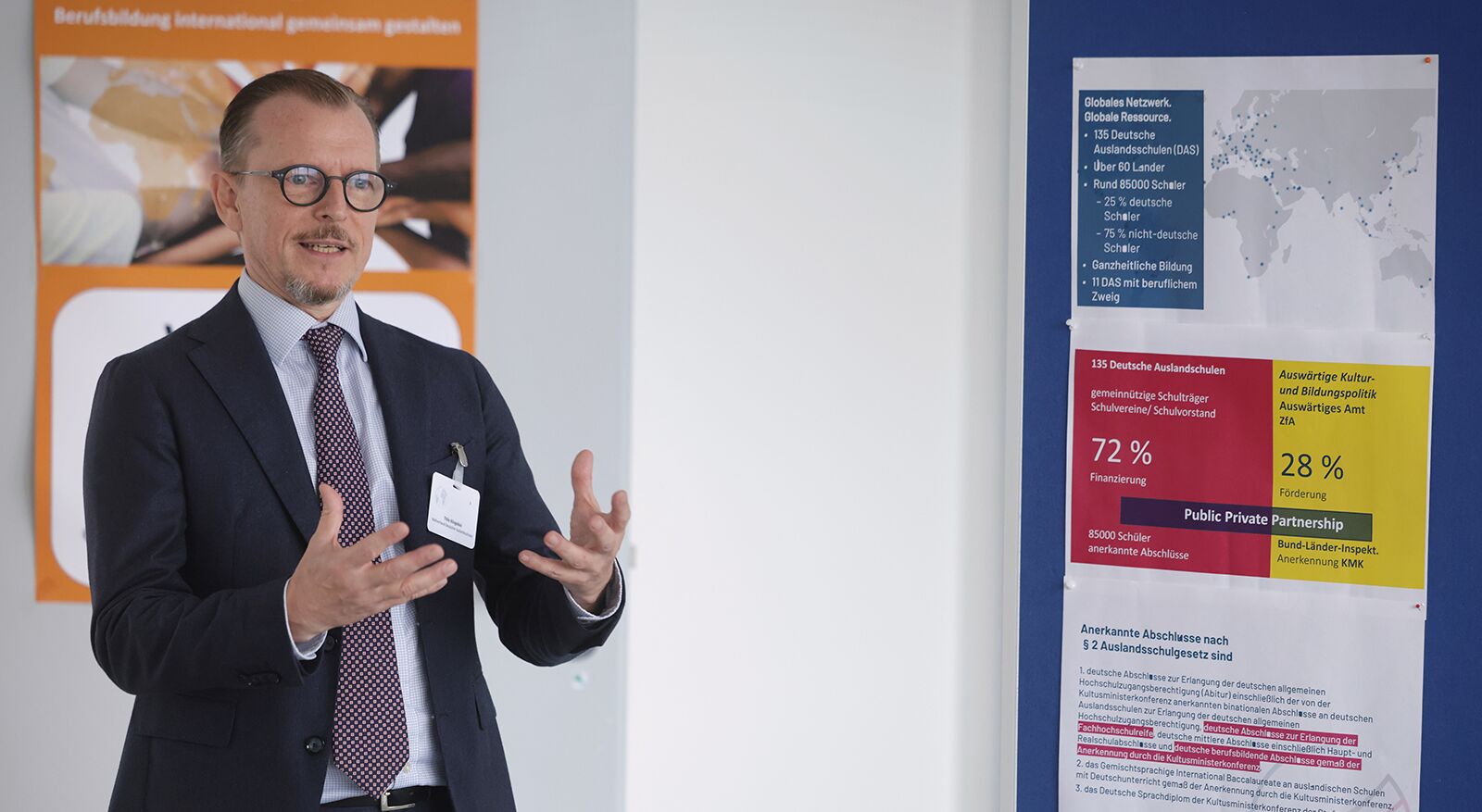
Thilo Klingebiel, Managing Director of the World Association of German Schools Abroad, presented the role of the German schools abroad in international VET cooperation. Worldwide there are 135 German schools recognised by Germany, including vocational education and training centres and vocational schools. Their graduates often orient themselves towards Germany and thus offer skilled worker potential on all levels of the education system. More practice-based provision from companies in Germany and a career consultation making the opportunities of vocational paths better known, offer, he says, potential for early commitment. In addition, foreign schools that have established successful vocational paths serve as an example for other suitable locations.
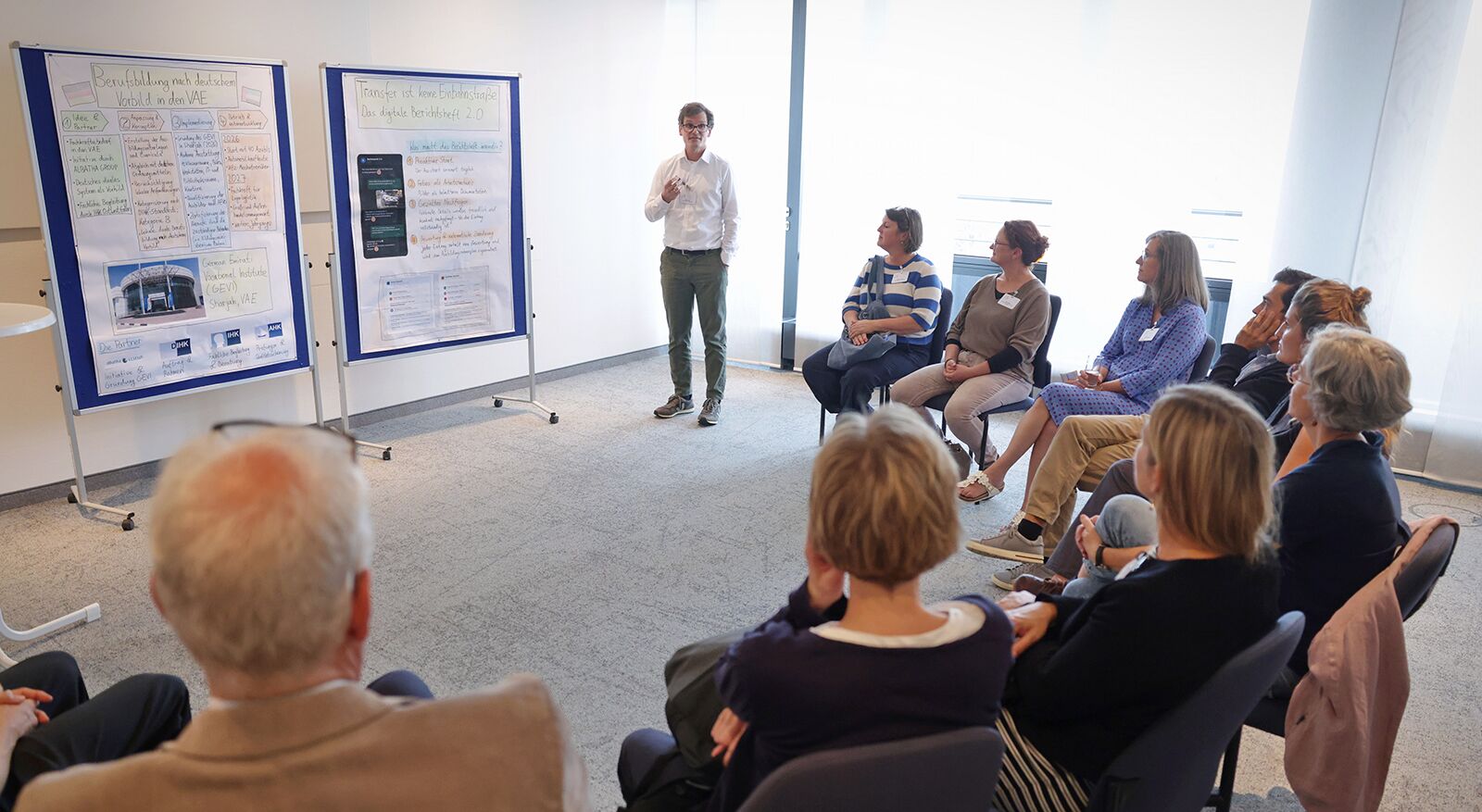
Björn Huxoll, Head of the Vocational Training Division at the Ostwestfalen zu Bielefeld Chamber of Commerce, reported on the development and trials of innovative VET concepts in the United Arab Emirates. The project shows how elements of German VET can be transferred to local framework conditions and be further developed. The local partners contributed an innovative, AI-based digital record book. And an insight for us regarding learning: When it comes to very different entry levels, learners are “met where they’re at”.
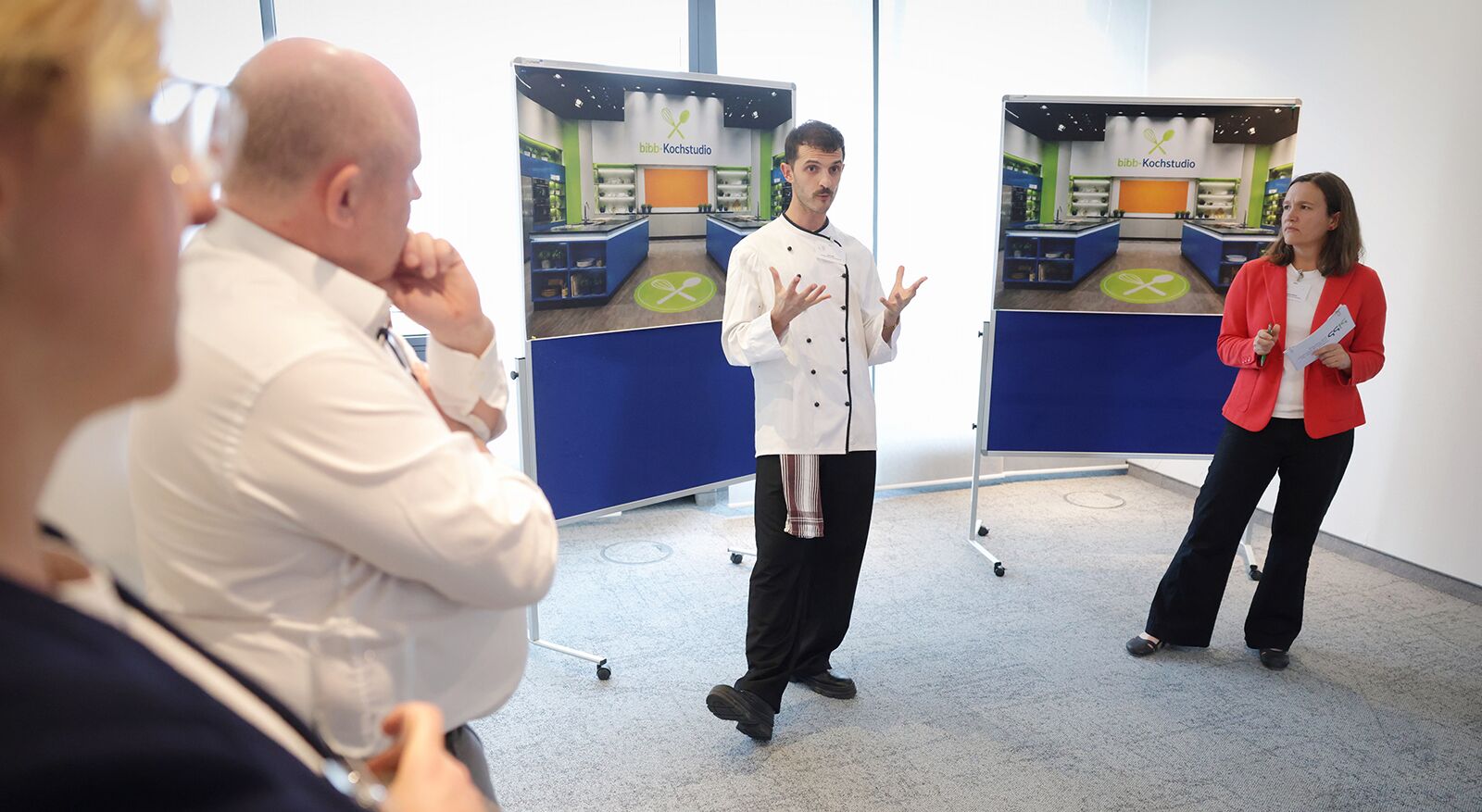
Entitled “BIBB Consultation for Indonesia – a successful recipe?”, Luca Jelic and Johanna Elsässer, both project managers at BIBB, presented their experiences from the cooperation with Indonesia. Using a recipe analogy, they explored the consultation process on the institutional development of social partnership on behalf of GIZ – from the menu to ordering through the partner, the selection of German and local ingredients, to the question of how many and which chefs are involved. Jelic and Elsässer also presented their own consultation experience as an ongoing process of learning and adapting to the circumstances in the partner country.
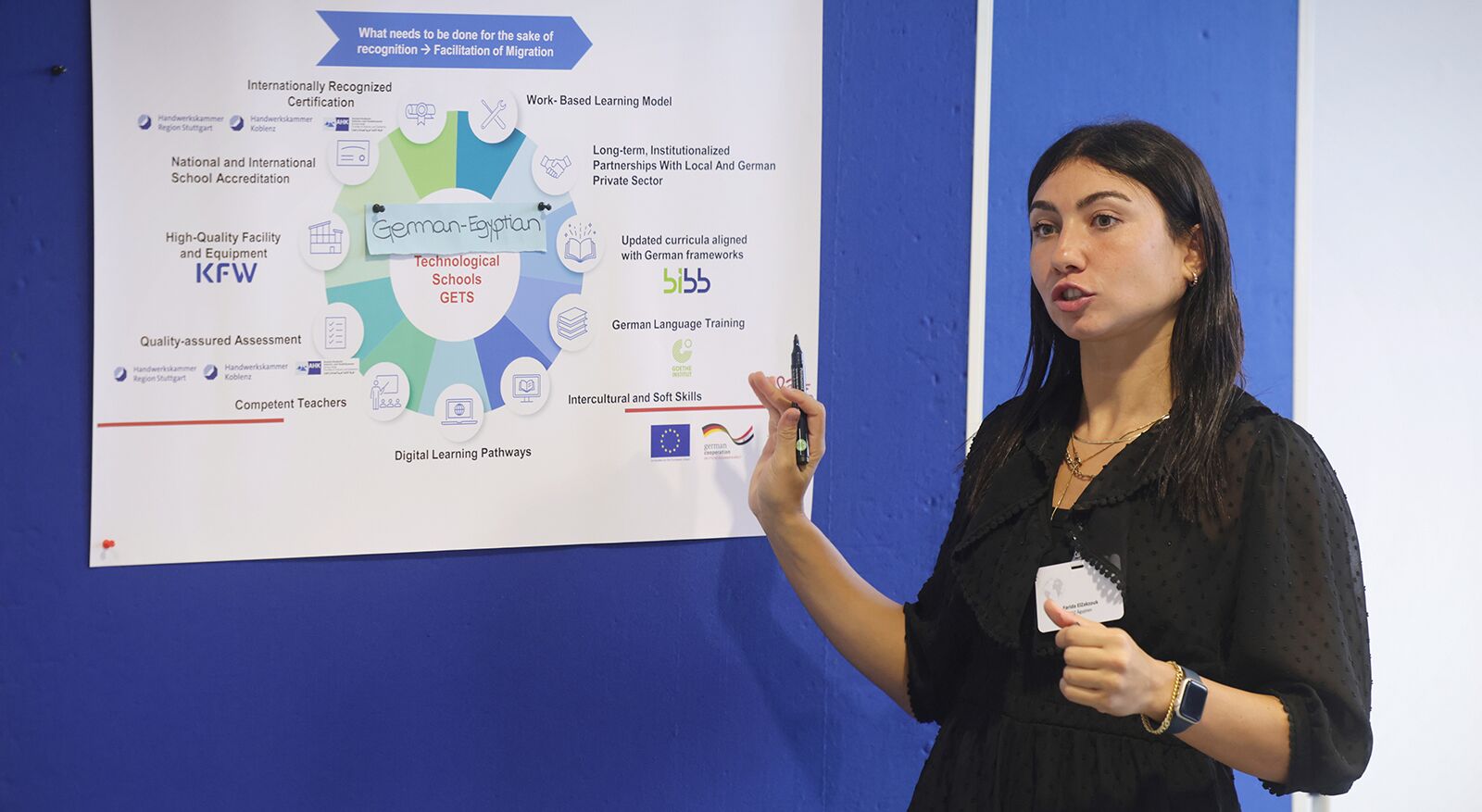
Farida El Zakzouk, School Transformation Advisor at GIZ, reported from Egypt on the results of the Comprehensive Technical Education Initiative Egypt II and therefore on an example for a multi-stakeholder cooperation. The objectives of the project include structuring the Egyptian VET reform in a manner that is more relevant for the job market, qualitatively better, more transparent, and more gender equitable. The reform is closely aligned with German standards, also with regard to the German job market. For this purpose, chambers of crafts, and chambers of trade and industry, and BIBB are involved regarding questions on recognition.
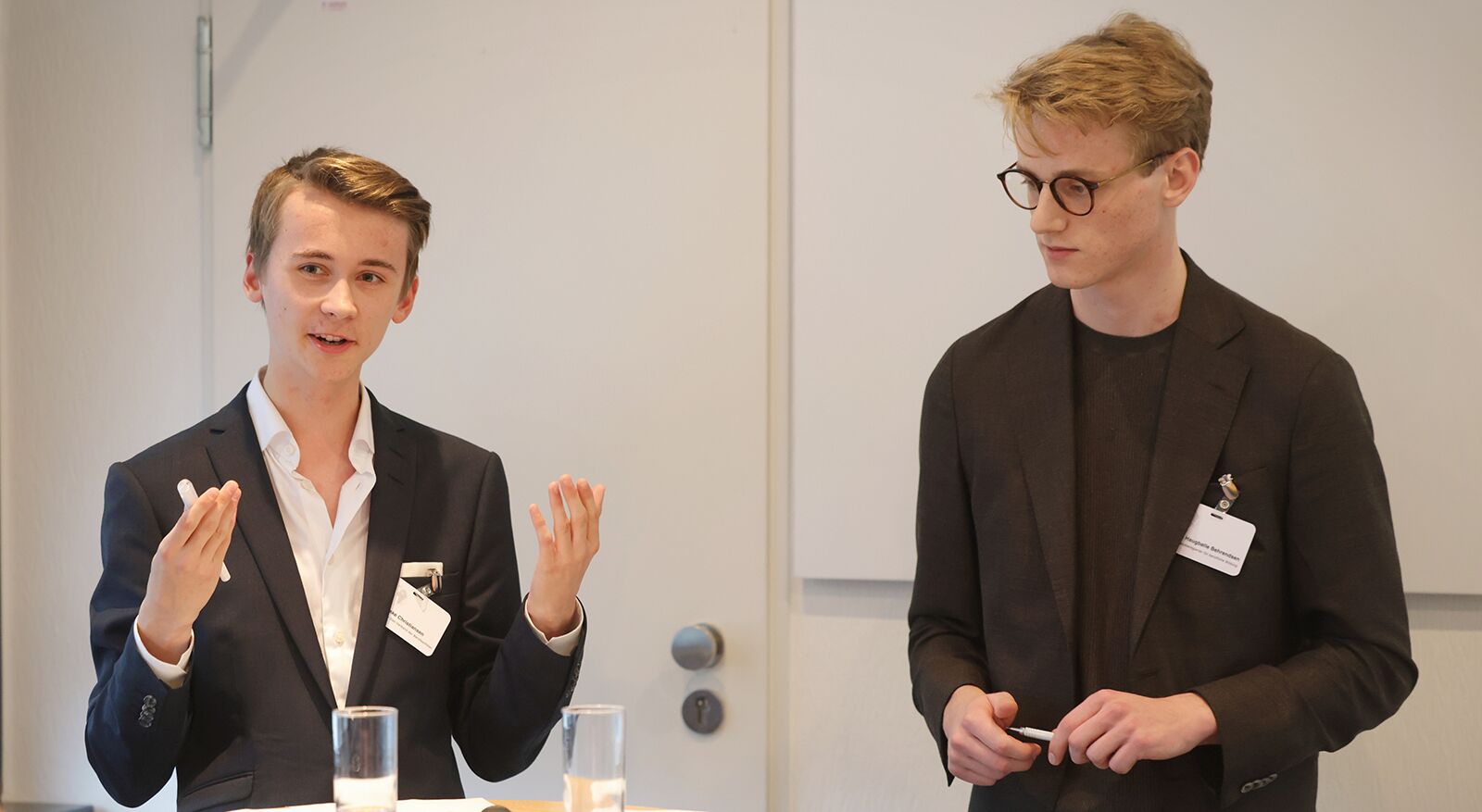
Mads Haugbølle Behrendsen, UN Youth Delegate for Vocational Education and Job Training, and Aske Christiansen, President of the Danish Vocational and Technical School Students’ Union, presented “Youth Participation in VET in Denmark”. The English presentation gave insights into the role and perspectives of adolescents in structuring VET, represented by law in Denmark in both overarching and branch-specific VET committees. The input from Germany’s neighbour strongly resonated throughout the rest of the conference.
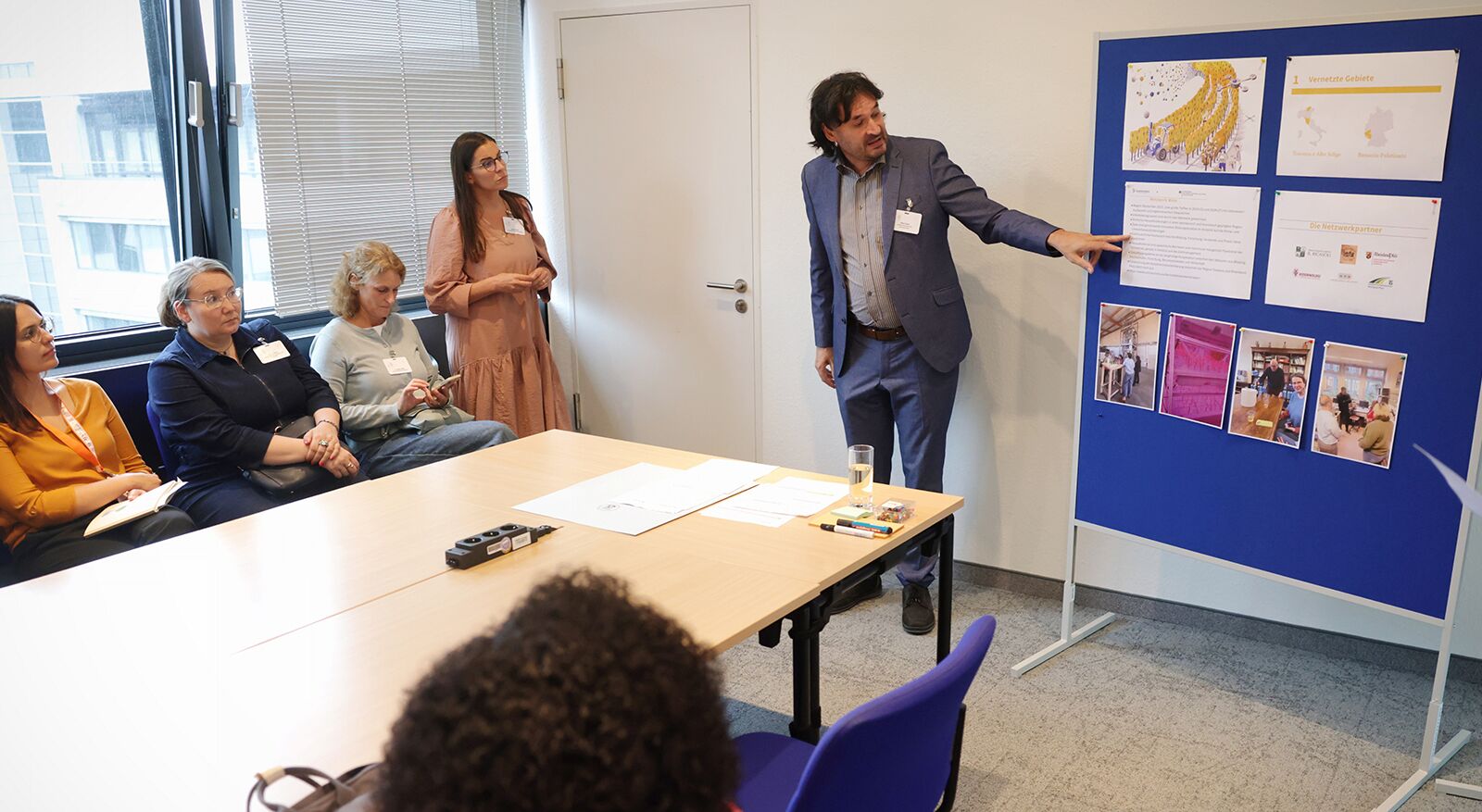
Oliver Strub, master wine maker and educational expert at the Rhineland-Palatinate Chamber of Agriculture, reported on the cross-border exchange between German and Italian vintners with his presentation “The Wine Network in ConnActions: When German and Italian winemakers learn from each other”. In Italy as in Germany, viticulture is especially affected by climate change. The project shows how international cooperation can be used as a solution for such problems, by means of experience exchange, learning from one another, and the joint work on concepts for initial and continuing VET.
Projects of the Warp Conference
German schools abroad in international VET cooperation
Thilo Klingebiel, Managing Director of the World Association of German Schools Abroad
There are 135 German schools abroad recognised by the Federal Republic of Germany – including vocational training centres and vocational schools. The World Association of German Schools Abroad (WDA) represents the interests of the independent, non-profit school operators of German schools abroad in dealings with German policymakers and the public, brings together experts from the schools through regular events as part of a global network, and supports them with exclusive services.
go to the website the World Association of German Schools Abroad (in German)
go to the website of the Central Office for Schools Abroad (in German)
Development and trials of innovative VET concepts in the United Arab Emirates
Björn Huxoll, Head of the Vocational Training Division at the Ostwestfalen zu Bielefeld Chamber of Commerce
How can vocational training based on the German model be implemented in a new context? The example of the UAE shows how innovative solutions emerge when adapting to local conditions – and what inspiration this can provide for vocational training in Germany.
go to the website of the Ostwestfalen zu Bielefeld Chamber of Commerce (in German)
BIBB Consultation for Indonesia – a successful recipe?
Luca Jelic, BIBB and Johanna Elsässer, Project Managers at BIBB
Since 2019, the BIBB has been advising the Indonesian Government on behalf of the BMZ and GIZ. The advice was initially provided as part of a project to reform the vocational education and training system. Since 2025, the focus of the advice has been on skills development for the socio-ecological transition at sub-national level. The GESIT project, supported by the BIBB, aims to promote sustainable employment.
Results of the Comprehensive Technical Education Initiative Egypt II - a multi-stakeholder cooperation
Farida ElZakzouk, School Transformation Advisor, GIZ
The project contributes to the further development of vocational education and training reform. It focuses on the key areas of financial management, labour market reform, support for vocational schools and digital learning pathways. The aim is to ensure that Egypt’s vocational education and training reform is implemented in a way that is more transparent, of higher quality, more relevant to the labour market and more gender-equitable.
go to the website of GIZ
The Wine Network in ConnActions: When German and Italian winemakers learn from each other
Oliver Strub, master wine maker and educational expert at the Rhineland-Palatinate Chamber of Agriculture
Der Klimawandel stellt den Weinsektor vor große Herausforderungen. Das Netzwerk analysiert die Zukunftskompetenzen im Weinbau- und der Kellereiwirtschaft und erprobt, wie technologische Innovationen in die Ausbildung integriert werden können, um Qualität und Nachhaltigkeit der Produkte zu erhalten.
go to the website of ConnActions (in German)
„Youth Participation in VET in Denmark“
Mads Haugbølle Behrendsen, UN Youth Delegate for Vocational Education and Job Training, and Aske Christiansen, President of the Danish Vocational and Technical School Students’ Union.
The English presentation gave insights into the role and perspectives of adolescents in structuring VET, represented by law in Denmark in both overarching and branch-specific VET committees. The input from Germany’s neighbour strongly resonated throughout the rest of the conference.
Further information on the project ‘Structural Approaches to Democracy Education in Vocational Education and Training Systems: An International Comparison – PartVET’
Further information on the Danish Vocational Training Act is available on the retsinformation.dk website
go to the website of the Danish Association of Vocational Students (Vi er EEO | EEO)
What defines future iBBZ topics?
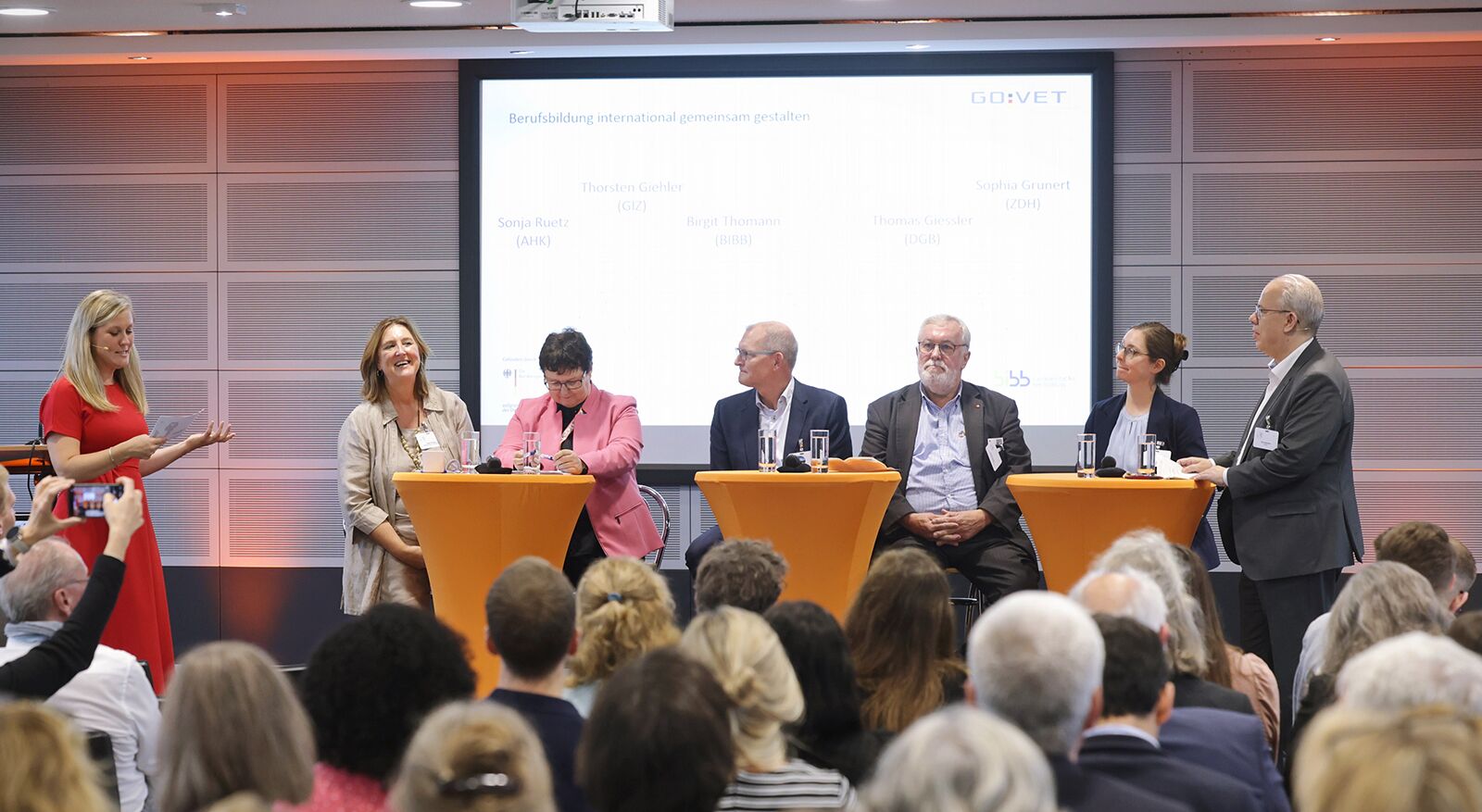
The specialist conference concluded with a look to the future. Representatives of central stakeholder groups discussed their expectations and priorities under the heading “Future topics in international VET cooperation”.
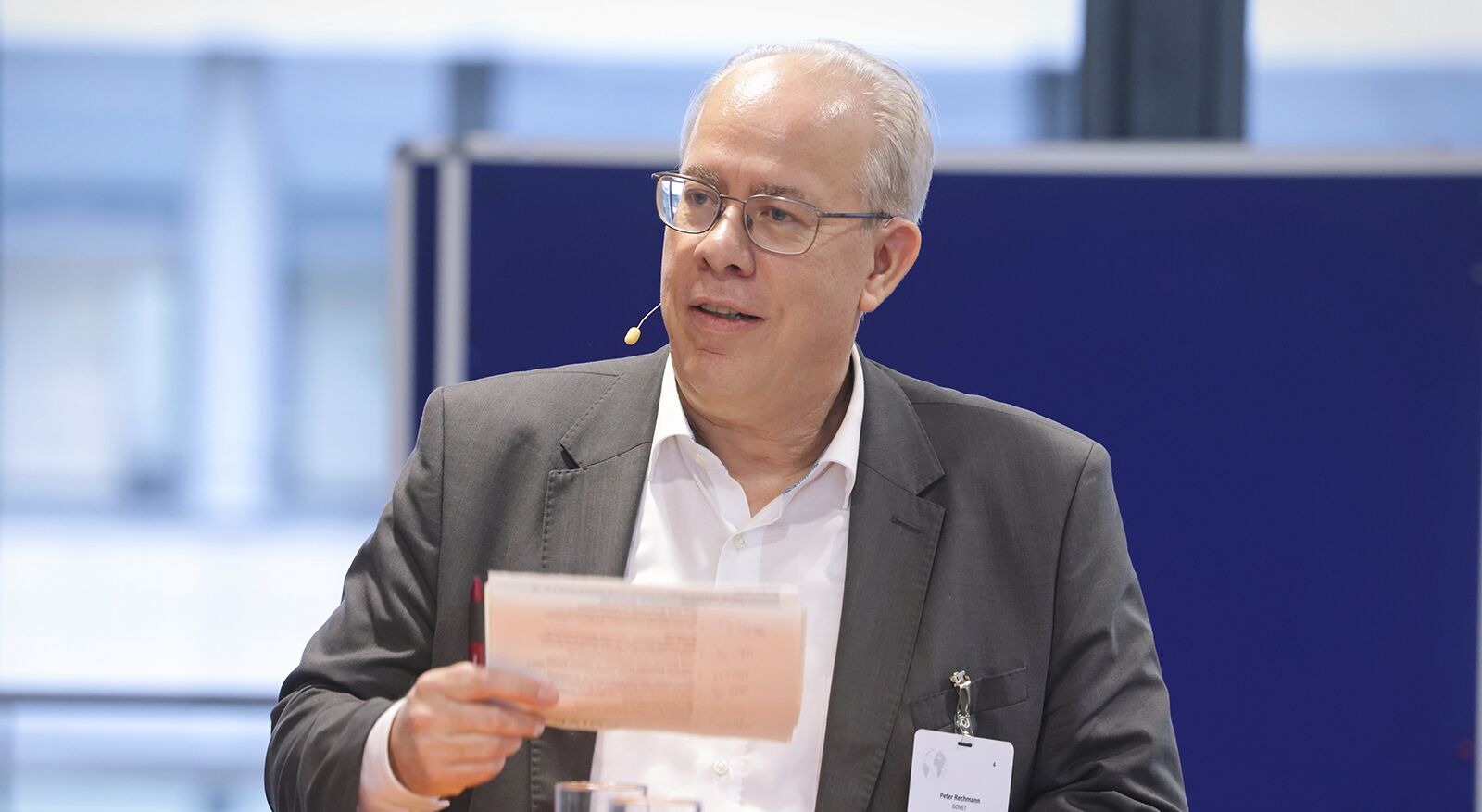
Members of the panel were Birgit Thomann, Department Head International VET at BIBB, Thomas Giessler, Head of the VET Policy Division at the German Trade Union Confederation (DGB), Sonja Ruetz, Project Manager for the Skills Experts Programmes in Lithuania at the German-Baltic Chamber of Commerce in Estonia, Latvia, Lithuania (AHK), Thorsten Giehler, Department Head Economics, Employment, Social Development at GIZ, and Sophia Grunert, Head of the Vocational Training Division at the German Confederation of Skilled Crafts (ZDH). The discussion was moderated by Peter Rechmann, Deputy Head of GOVET.
This round also focused on the recruitment of skilled workers and immigration in training, the quality of VET, and the question as to what Germany can learn from other countries. At the same time, it addressed how international VET cooperation can be further developed considering changed political and economic framework conditions.
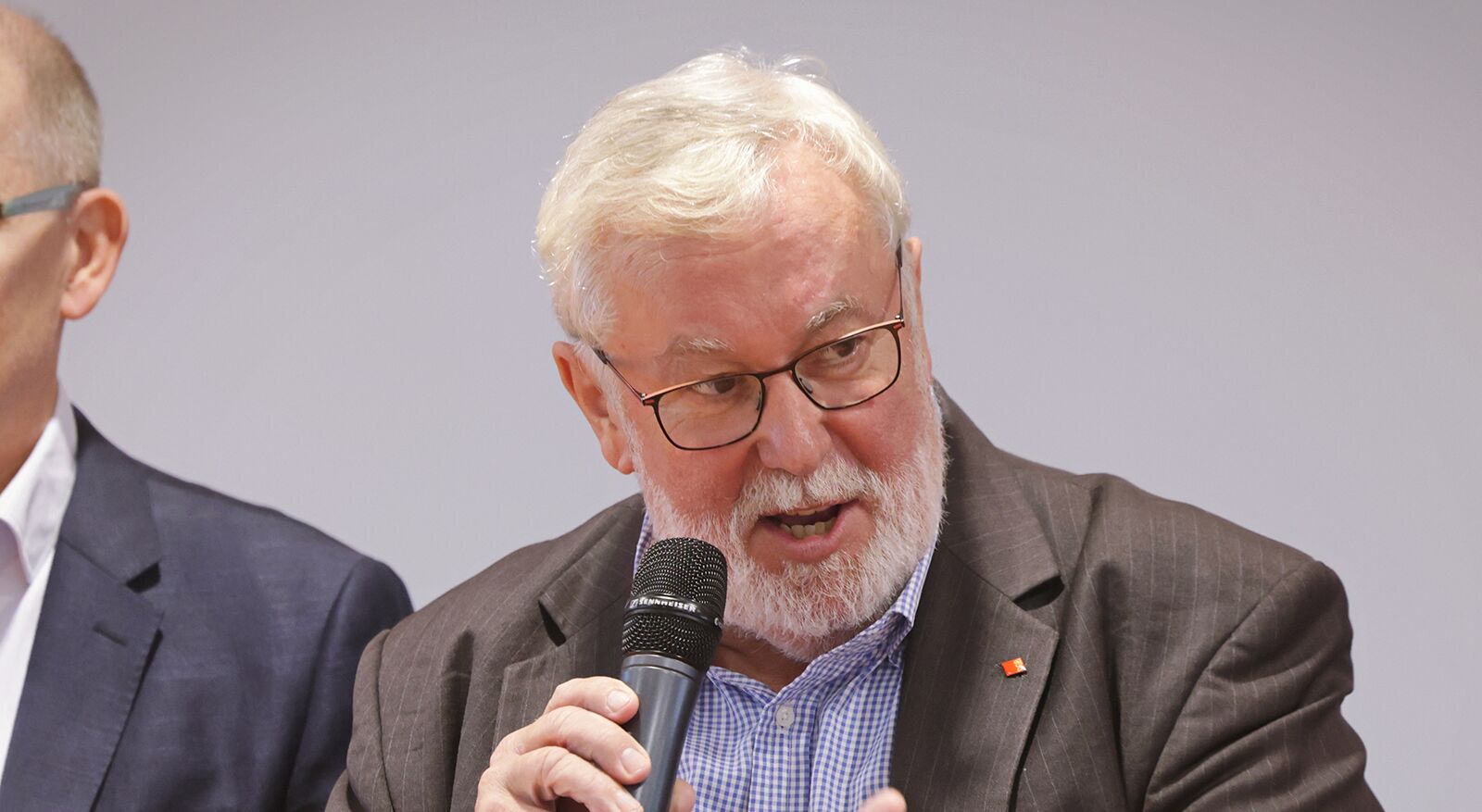
Thomas Giessler emphasised that quality standards both in the introduction of VET measures abroad and the recruitment and employment of trainees from abroad is crucial. All social partners including the unions must be involved for this.
Sophia Grunert supports the promotion of quality standards and referred to the contribution of the craft trades in training people without German nationality: Approximately 56,000 of them graduated a training programme in craft trades. To increase the attractiveness of VET, she also advocated for the German Qualification Framework (DQR) to have a legal basis.
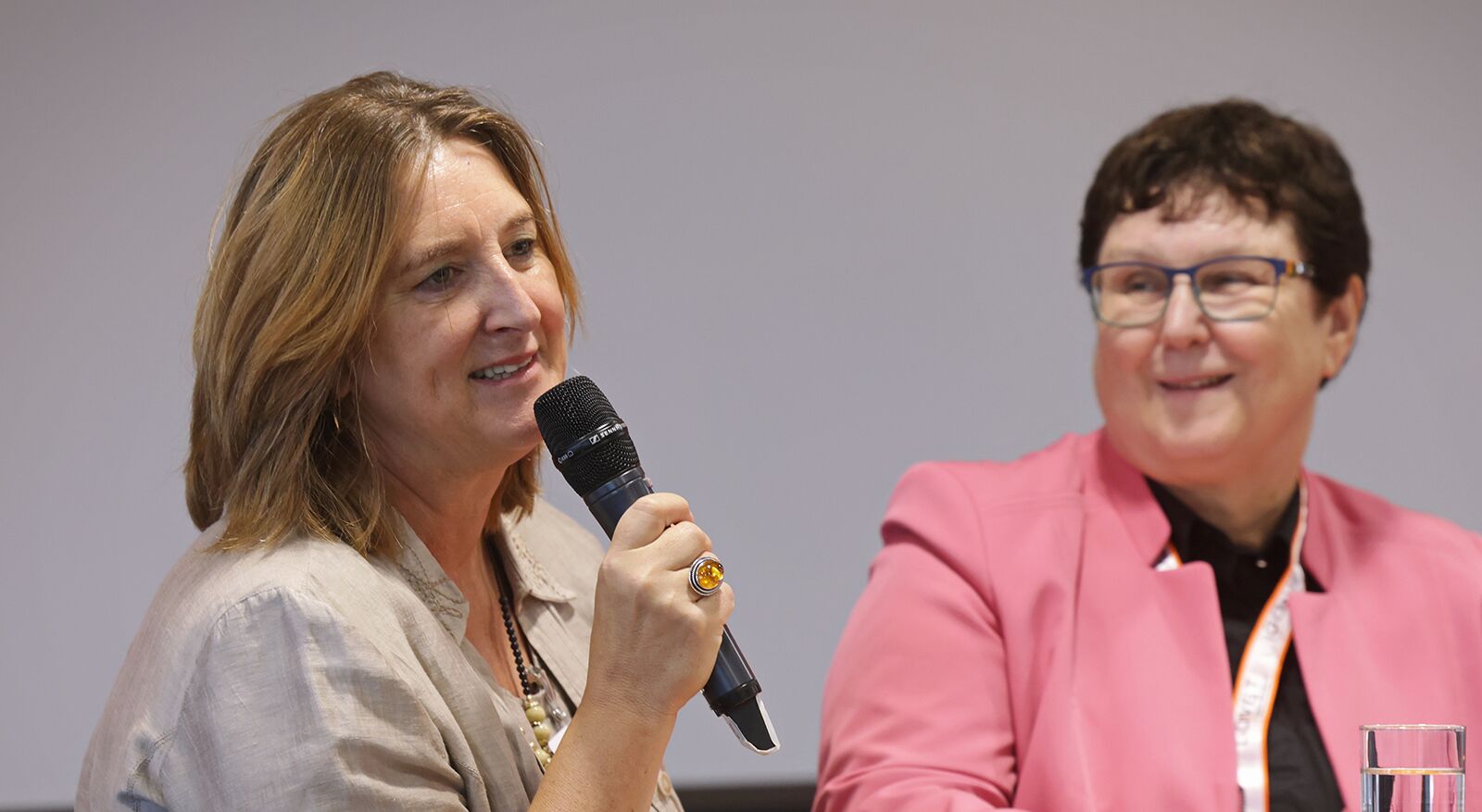
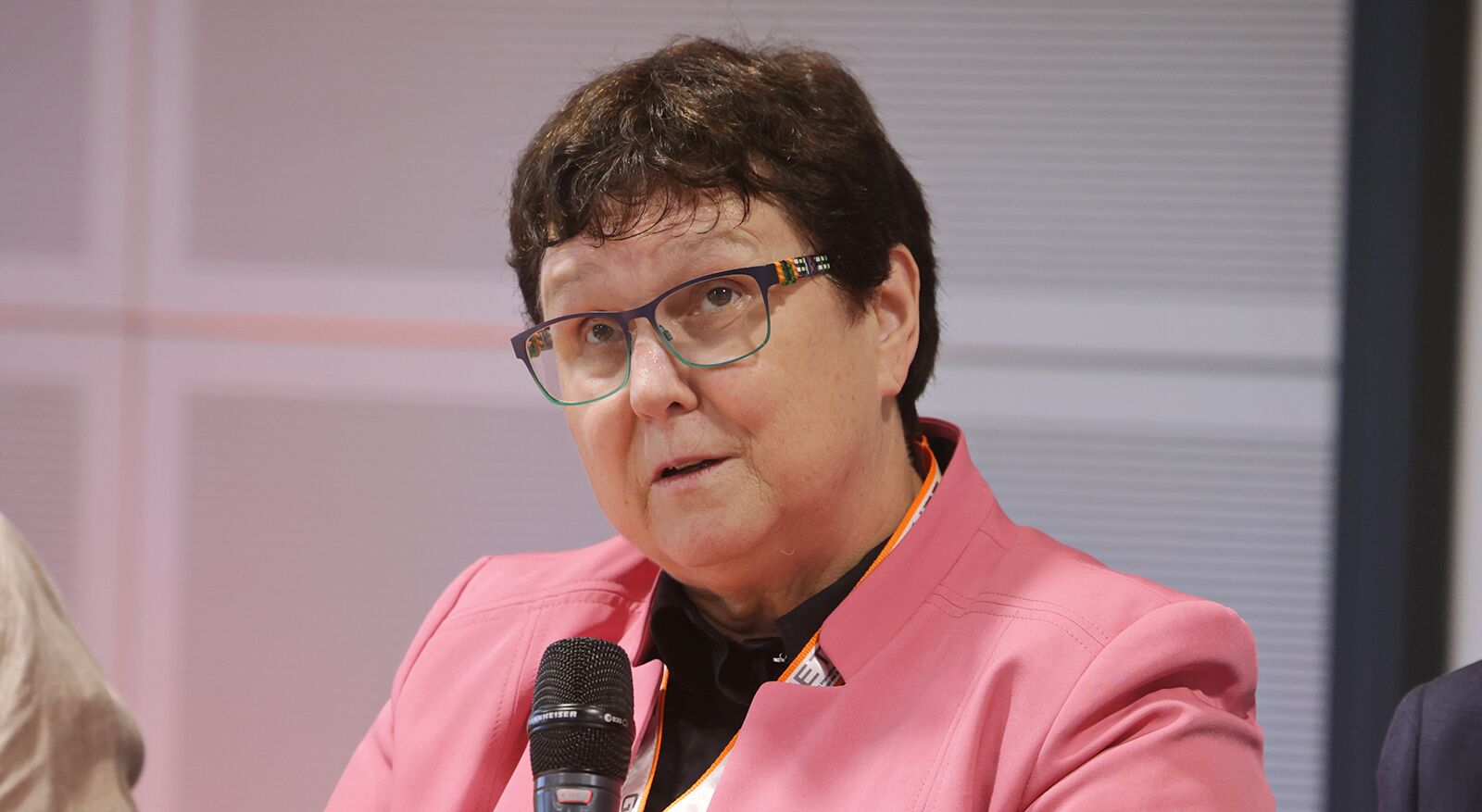
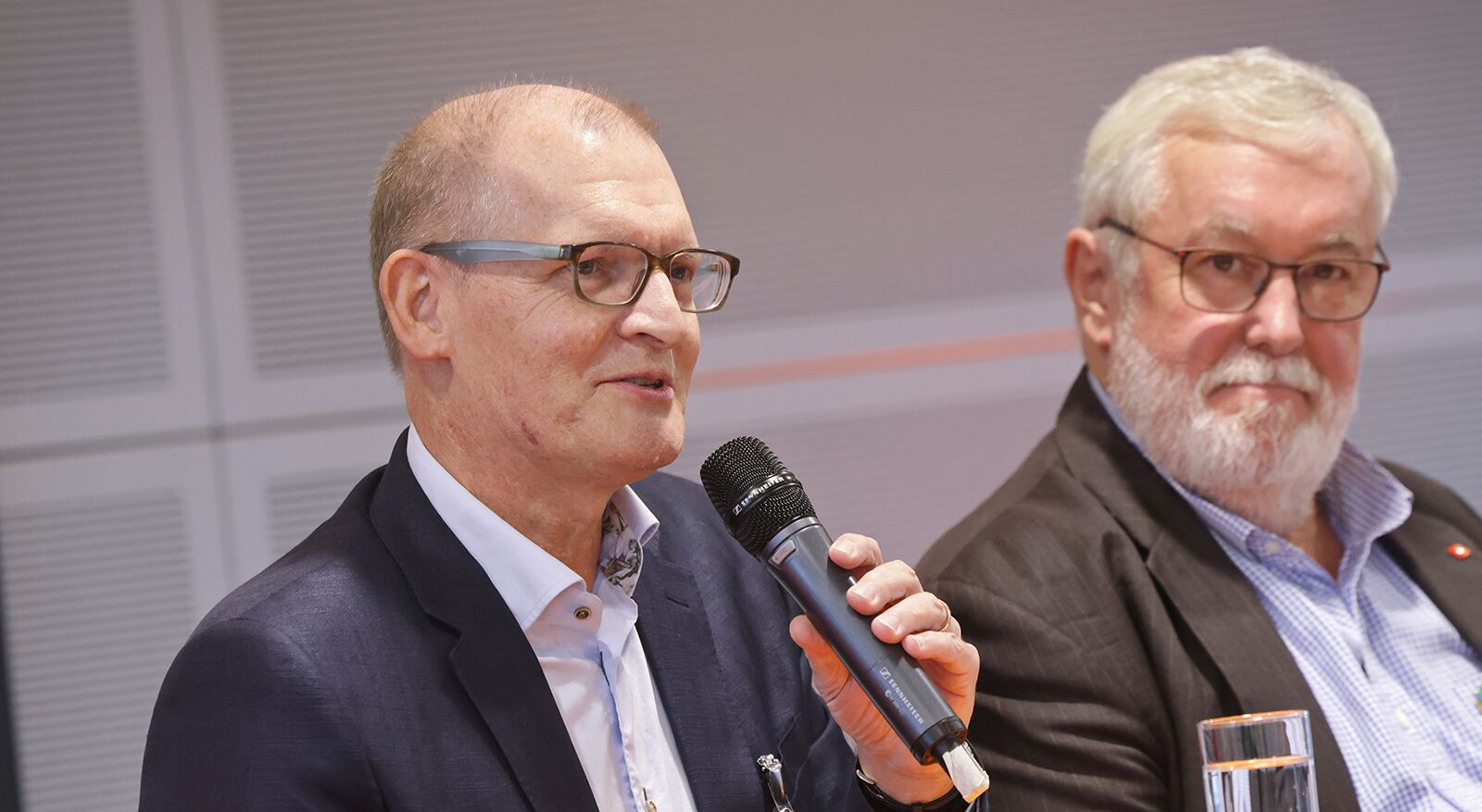

Birgit Thomann highlighted the significance of recognising vocational qualifications in connection with skilled worker immigration and called for VET to have a stronger place on the international agenda. This would need an Agenda 2030 for vocational education and training. At the same time, international cooperation opens up the possibility of learning from other countries; she named BIBB’s cooperation with Austria and Switzerland as examples.
Sonja Ruetz from the German-Baltic Chamber of Commerce in Lithuania explained, based on the work of this German Chamber of Commerce Abroad (AHK), how initial and continuing vocational education and training can be oriented quickly and flexibly to the needs of the economy. The German-Baltic AHK supports the introduction of occupations and qualifications such as in the areas of sustainability, IT and cyber security. Lithuania is far advanced in renewable energies and digitalisation and the related occupational profiles. Ruetz also referred to the possibility of teaching migrants bilingually and thus also in their native language.
Thorsten Giehler described sustainability and climate policy as important future topics creating new possibilities for international VET cooperation. He also made clear that development cooperation is under pressure to justify itself both nationally and internationally. The economic advantages of international cooperation must therefore be more strongly emphasised. He said it was also important that international VET cooperation be consistently structured as “Team Germany”. Its success, however, requires Germany to remain relevant as an industrial nation.
The discussion showed that stakeholders address related topics, with similarities and different emphasis coming to light. There was particular agreement that the joint coherent approach has proven successful and also remains the path of choice for the upcoming challenges. This exchange between politics, social partners, economics, research and implementing organisations particularly contributes to consistency – and represents the added value of the Round Table and the specialist conference.
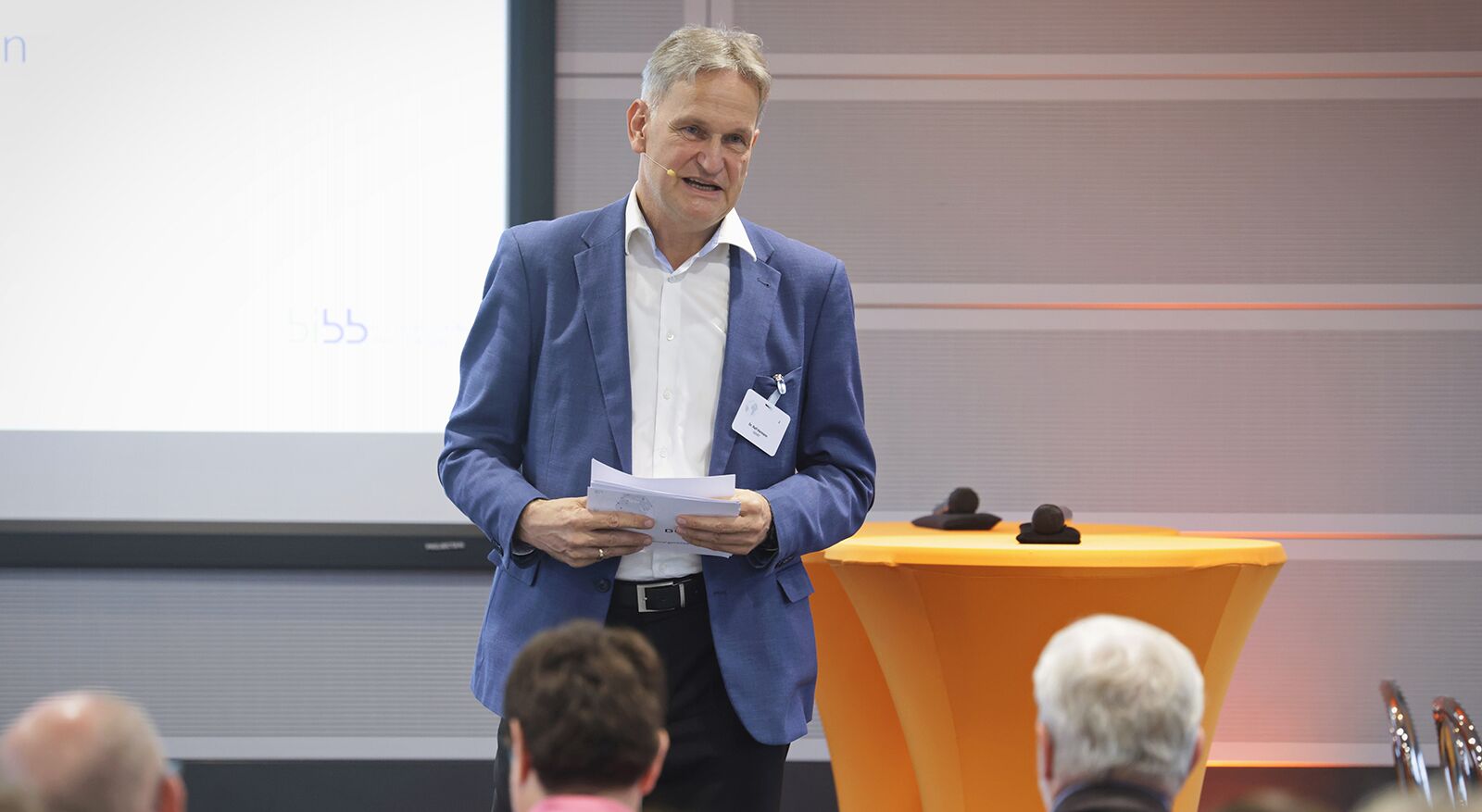
To conclude, Dr. Ralf Hermann, Head of GOVET, summarised the key threads of the conference. The specialist conference illustrated that international VET cooperation thrives on continual exchange, especially regards global transformations. Bringing together different focus points from the different ministries, new scientific findings, and experiences from implementation remains a key task. Specialist conferences and the exchange format of the Round Table, and the Round Table itself, offer the space to shape international VET together.
Further information
The Round Table as a coordination tool and GOVET as the German Office for International Cooperation in Vocational Education and Training at BIBB were established in 2013 with the Federal Government’s strategy on one-stop international collaboration. The objective was and is a collective, coherent approach by German stakeholders. In 2019, the strategy was expanded and new political and economic developments have since changed the framework conditions once again. Strengthened by training abroad, international VET cooperation contributes to acquiring skilled labour for Germany.